


Top Reasons Crypto Exchange Accounts Are Frozen in 2026
Top reasons a crypto exchange may freeze an account: AML, KYC, SoF, P2P, and sanctions screening, plus what to collect first.
ReadPractical analysis of exchange restrictions, AML, theft, and access recovery — without noise or blanket guarantees.
Top reasons a crypto exchange may freeze an account: AML, KYC, SoF, P2P, and sanctions screening, plus what to collect first.
Read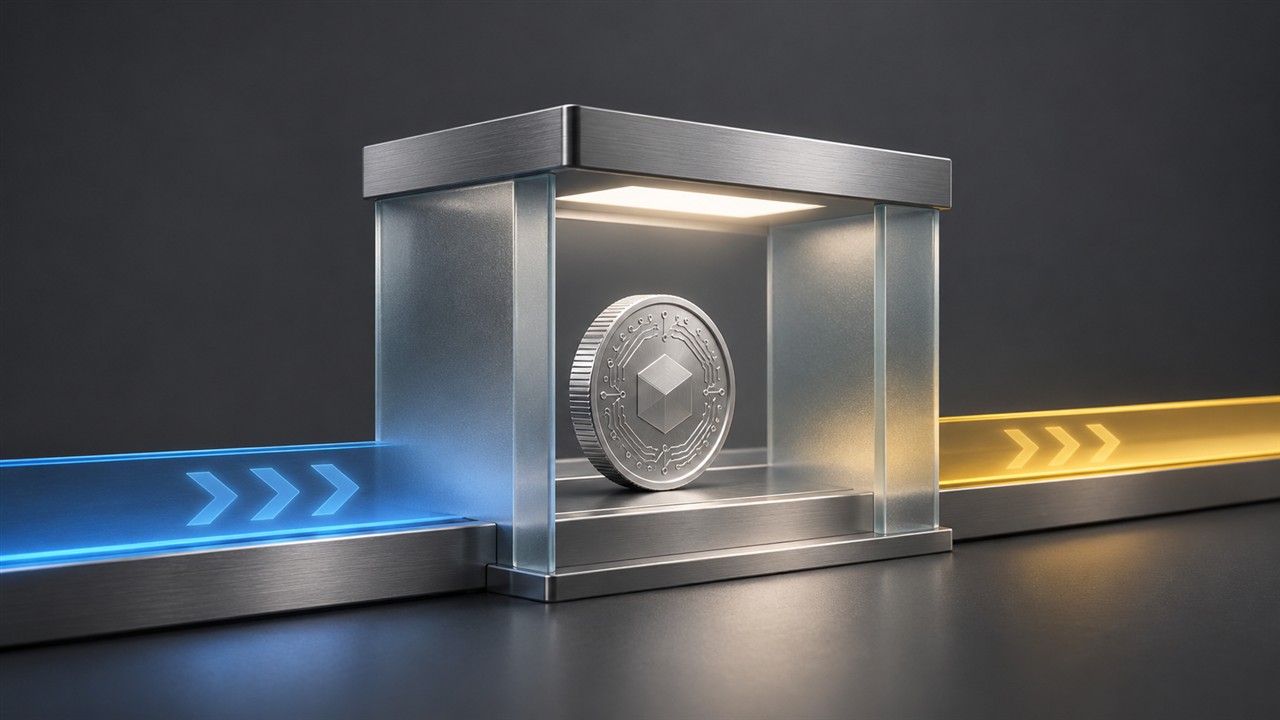
Binance has restricted MEXC-related transfers. Learn what to check if your deposit is on hold, which records to keep, and when to seek help.
One Ledger account is missing after recovery? Compare old addresses, the Bitcoin account type, application and additional passphrase before resetting again.

Check a native Arbitrum One or Nova withdrawal to Ethereum: source transaction, waiting stage, claim eligibility and destination execution. Know what to collect when it is delayed.
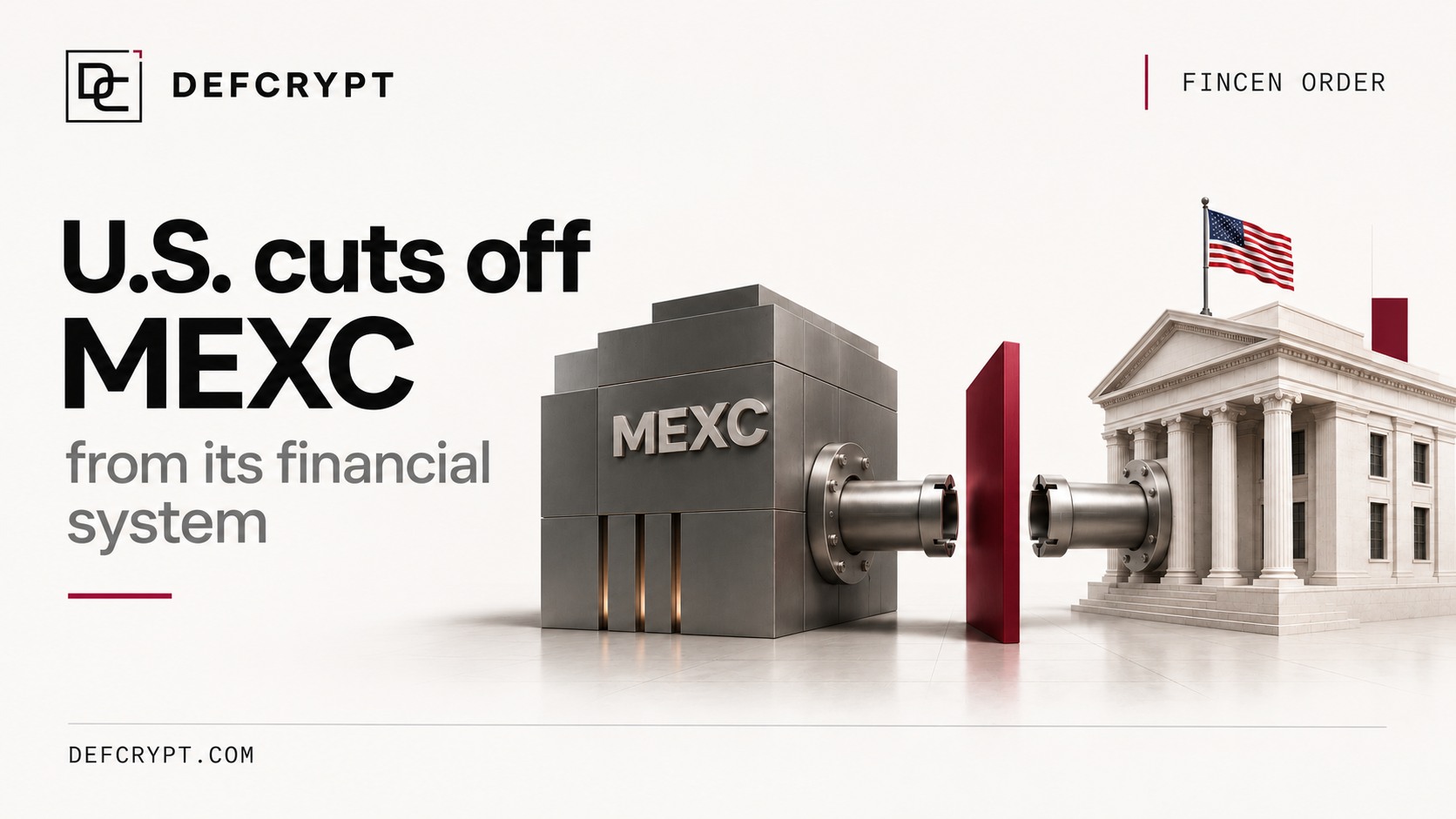
U.S. Treasury restricts transfers involving MEXC. The grounds for FinCEN’s order, the transaction volumes cited and when the prohibition takes effect.
A TXID exists but the exchange deposit has not arrived: check the network, token, address, confirmations and crediting conditions. Includes a checklist and support-request example.

Recovering a crypto wallet from an old phone starts with preserving the device and identifying the app, login and backups before a reset or reinstall.
How to verify a DefCrypt Telegram account, email, phone number or website, interpret the result and recognize requests that need a second check.
USDT sent through the wrong network: verify the contract and address, distinguish a personal wallet from an exchange deposit and prepare a request without sharing a seed.

BingX delisted your token? Check the withdrawal deadline and network, prepare a transfer and contact support if the window has closed. November 7, 2026 example.
Bybit transfer pending Travel Rule checks? Understand Pending Verification and recipient mismatches, check the requested details and know when to contact support.
Match a Bybit withdrawal restriction to a password or 2FA change, distinguish it from an address lock or review, and prepare a precise escalation when the notice no longer fits.

What is known about the October 2026 Binance hack: frozen assets, withdrawals, compensation plans and practical steps to secure your account and avoid scams.
Bitcoin Core will not open an old wallet? Distinguish an incorrect path, a locked file, an unsupported legacy format and corruption while preserving the original copy.

540 exchange-graveyard listings, billions stolen and country restrictions: a clear look at crypto exchange closures, hacks and access risks in 2026.
Ledger hack 2026: how to check your wallet and seller, understand hardware implants, protect your recovery phrase and report crypto theft in the US or UK.
A Bitcoin watch-only wallet can show real BTC without holding spending keys. Identify public-only data, an external signer and what recovery material is missing.
No Google Authenticator codes for your exchange? Check an old phone and saved codes, choose the official 2FA reset and prepare account information.
BingX will not release trading profits? Reconcile trading records, identify the disputed amount and prepare a focused follow-up when a withdrawal review stalls.
BingX will not let you withdraw? Identify the restriction, preserve records and prepare a focused support request. Security checks, document reviews and trading disputes.
Forgot your Ledger passphrase? Separate the device PIN from the recovery phrase and hidden-account passphrase, preserve a working device and assess the next step.
An AML review after transfers between your own wallets: connect the purchase, personal addresses and exchange deposit, prepare a TXID table and explain gaps.
Trace a completed Bybit withdrawal through the transaction hash, network and recipient. Distinguish internal transfers from on-chain payments and prepare the right support request.

Check the network, account, seed format, passphrase and address history after restoring an empty wallet. Distinguish a display problem, different keys and outgoing transfers.
How to assess a Bitcoin Core wallet.dat backup, distinguish corruption, encryption and watch-only data, preserve the original and evaluate a forgotten password.
Why use an NDA before sharing crypto-case details: what a non-disclosure agreement does and does not do—and why it never replaces the rule against sending a seed phrase. Not a downloadable legal template.
How to choose a firm for exchange unfreezing or post-theft support and avoid a second scam: up-front miracles, seed-phrase requests, and promised success rates—without attacking named competitors.

How to protect a crypto wallet: seed storage, hardware versus a hot wallet, phishing, token approvals, and extensions—prevention, not a post-hack recovery guide.
A pre-deposit checklist for a crypto exchange: domain, licence claims, a withdrawal test, support, and “too good” yield—and how a real AML pause differs from a fake platform.
How to recover crypto in Belarus: where to file a report after theft or fraud, how an exchange hold differs from theft, and the limits of local police and courts—without a legal opinion or outcome guarantees.
Bybit access restrictions for users tied to Russia: how geo and KYC differ from an AML withdrawal hold, what to check in the help center, and what not to do.
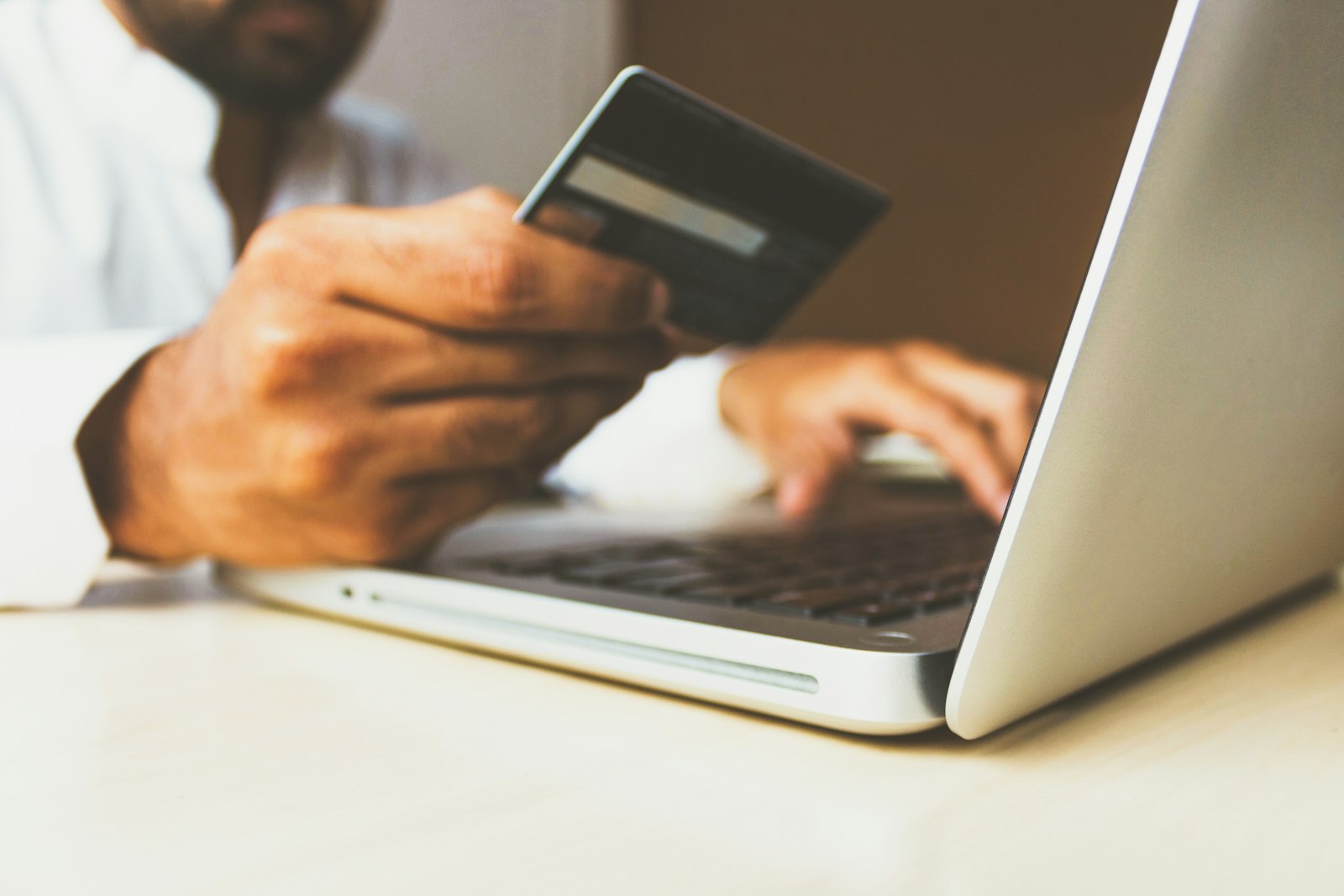
Crypto account freezes affecting users from Russia and the CIS in 2026: a mix of AML, SoF, geo, and P2P — how to classify the hold and what to do in the first 48 hours.
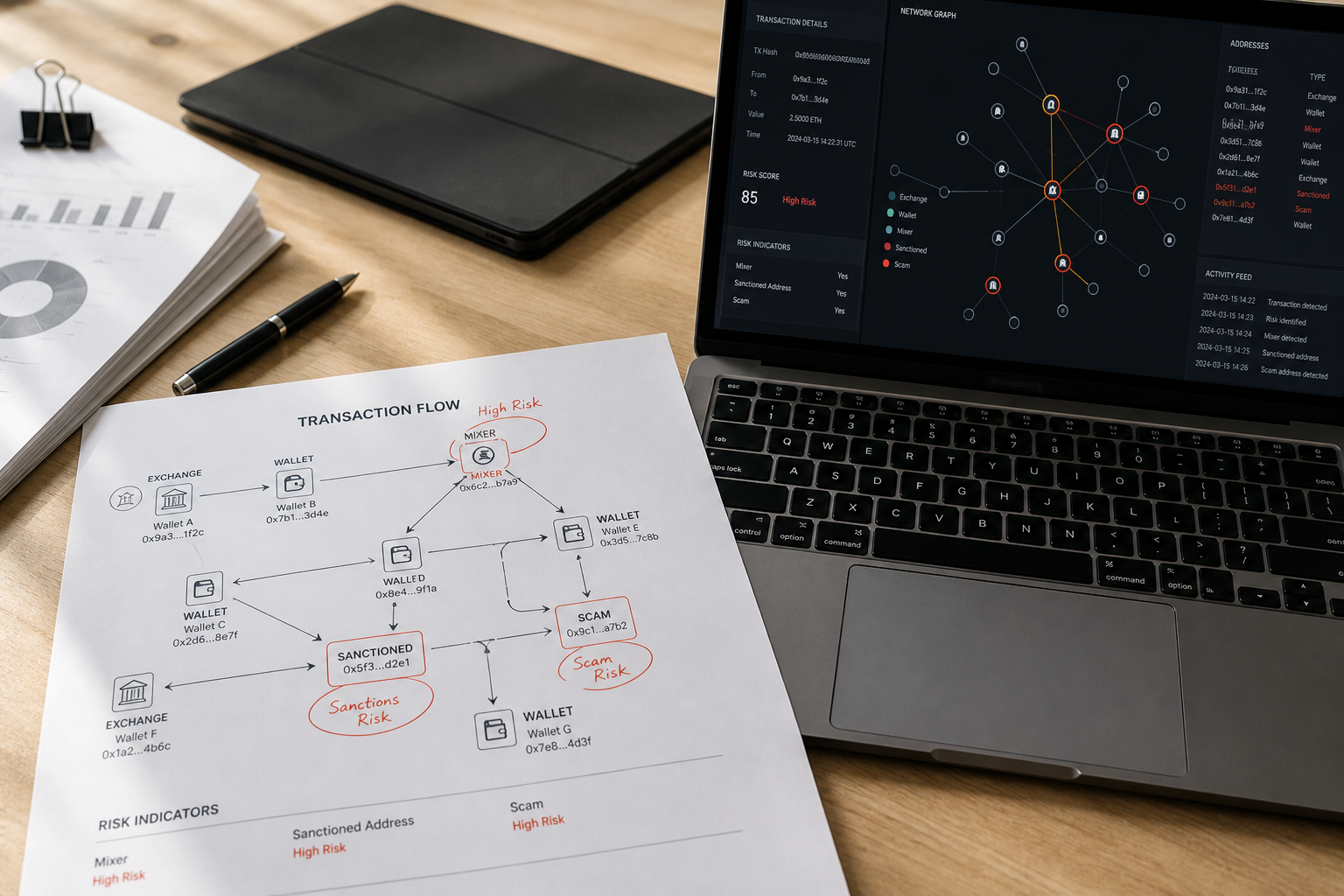
EU sanctions and crypto: how new packages can raise risk on certain services, and why AML vendors may relabel historical hops after the fact.
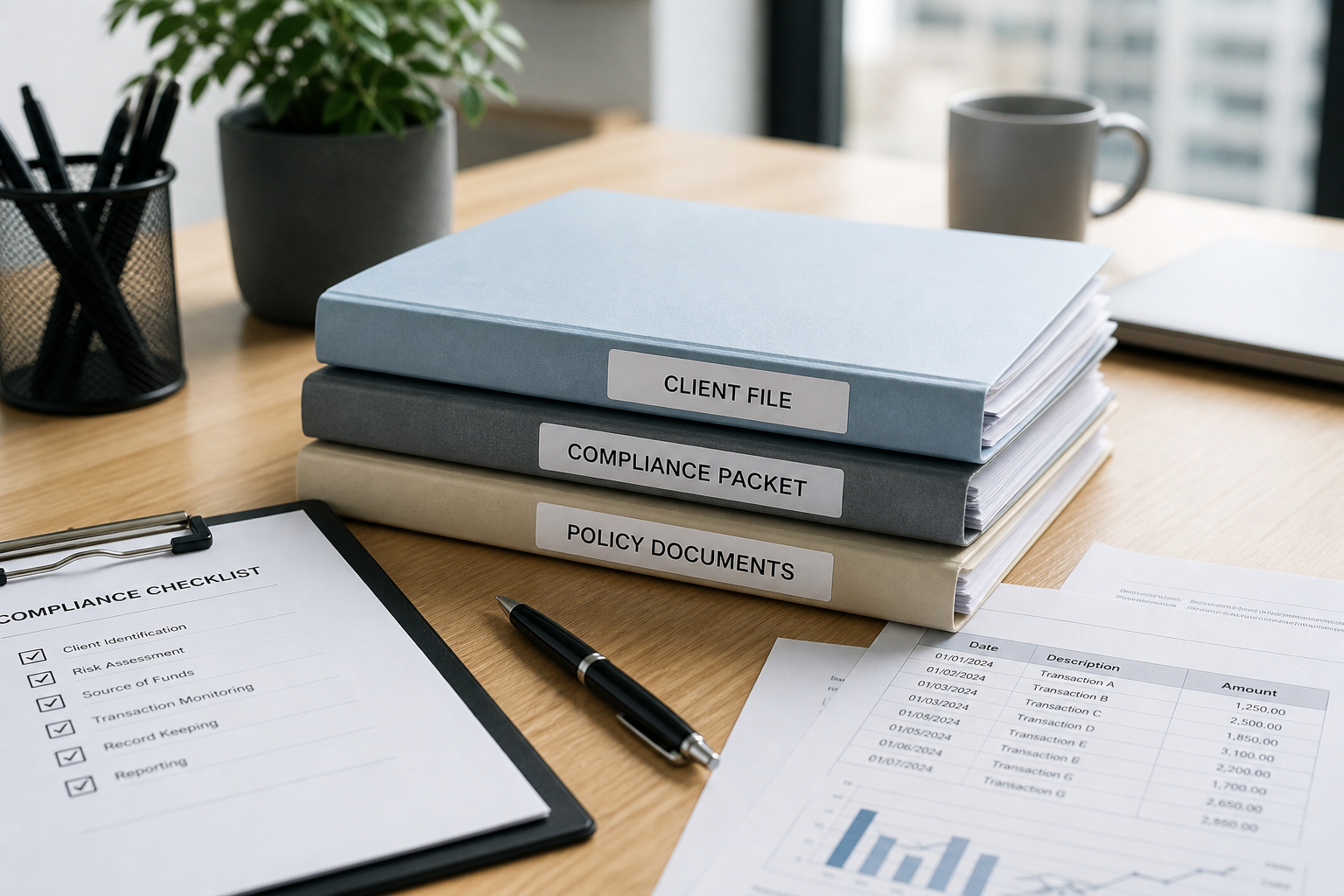
Enhanced due diligence on a crypto exchange: how EDD differs from KYC and Source of Funds, when it typically starts, and what to expect without treating a chat list as official policy.
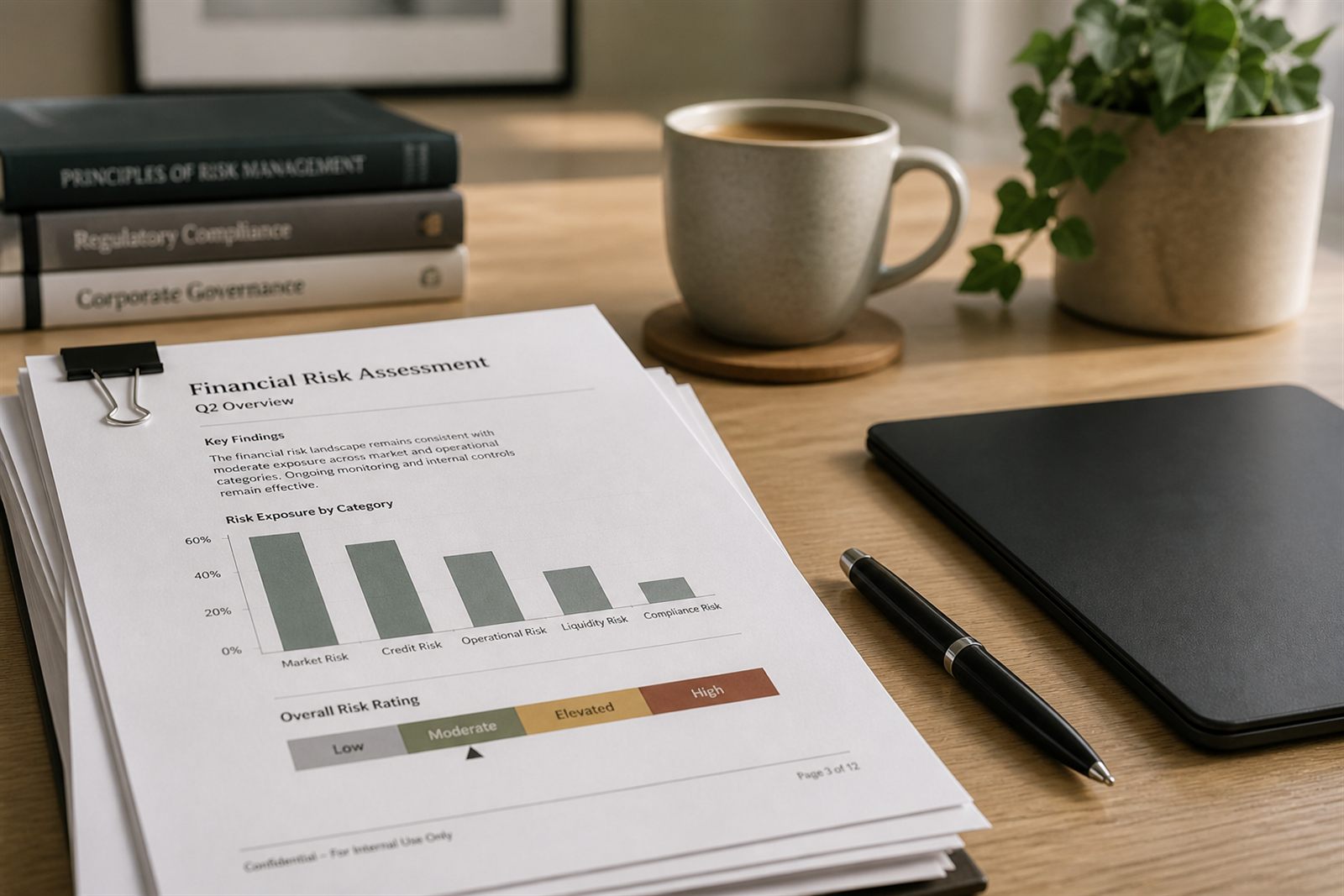
An exchange cited Chainalysis or KYT: why you cannot delete a flag on-chain, what a Source of Funds and hop map can show, and what an appeal cannot do.
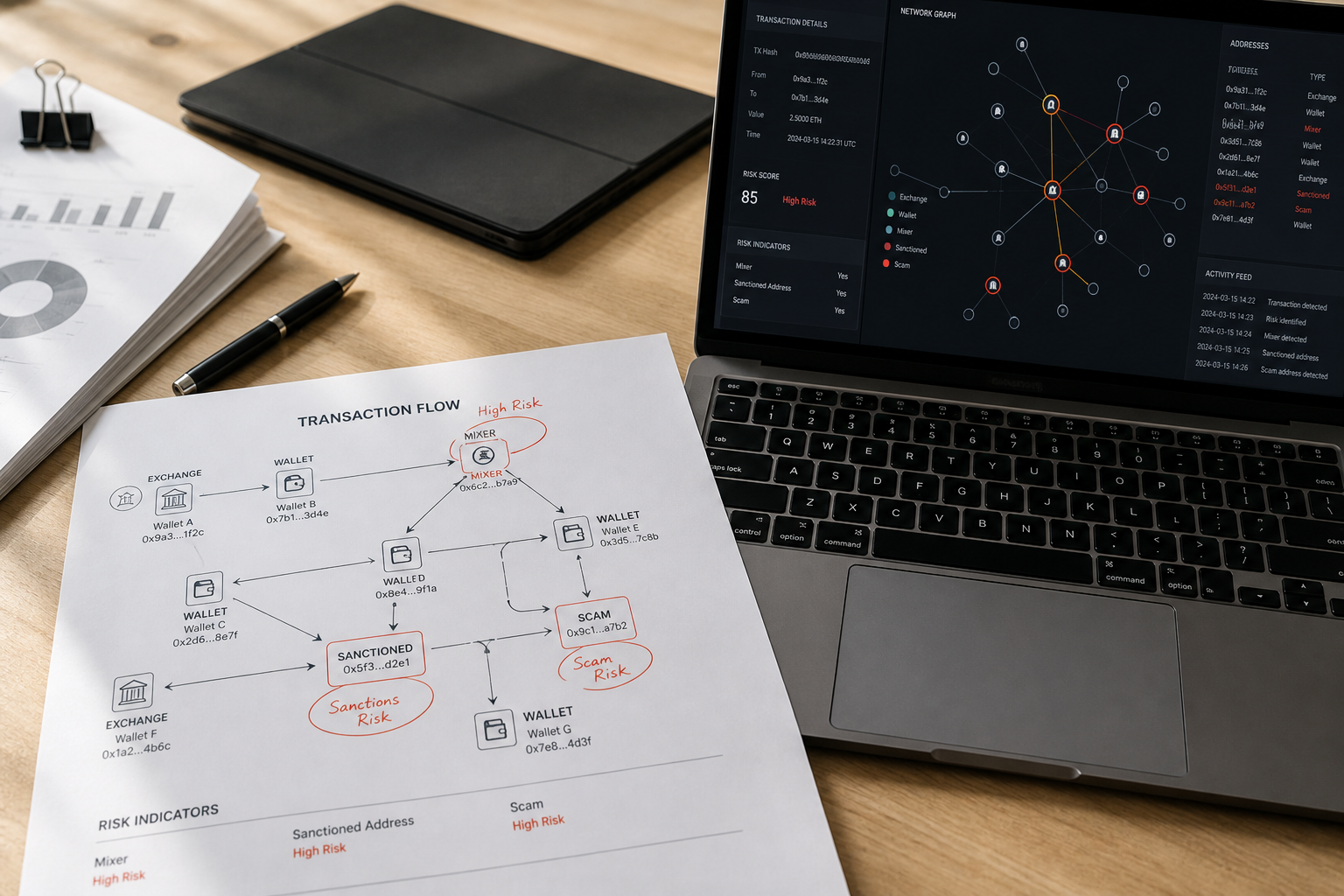
How crypto mixers and tumblers work: why AML systems flag those hops, why tracing is often still possible, and why depositing mixed funds to an exchange is a freeze risk. Not a how-to-mix guide.
Diagnose a pending bridge transfer by separating token approval, the source transaction, bridge message and destination execution. A practical two-chain evidence checklist.
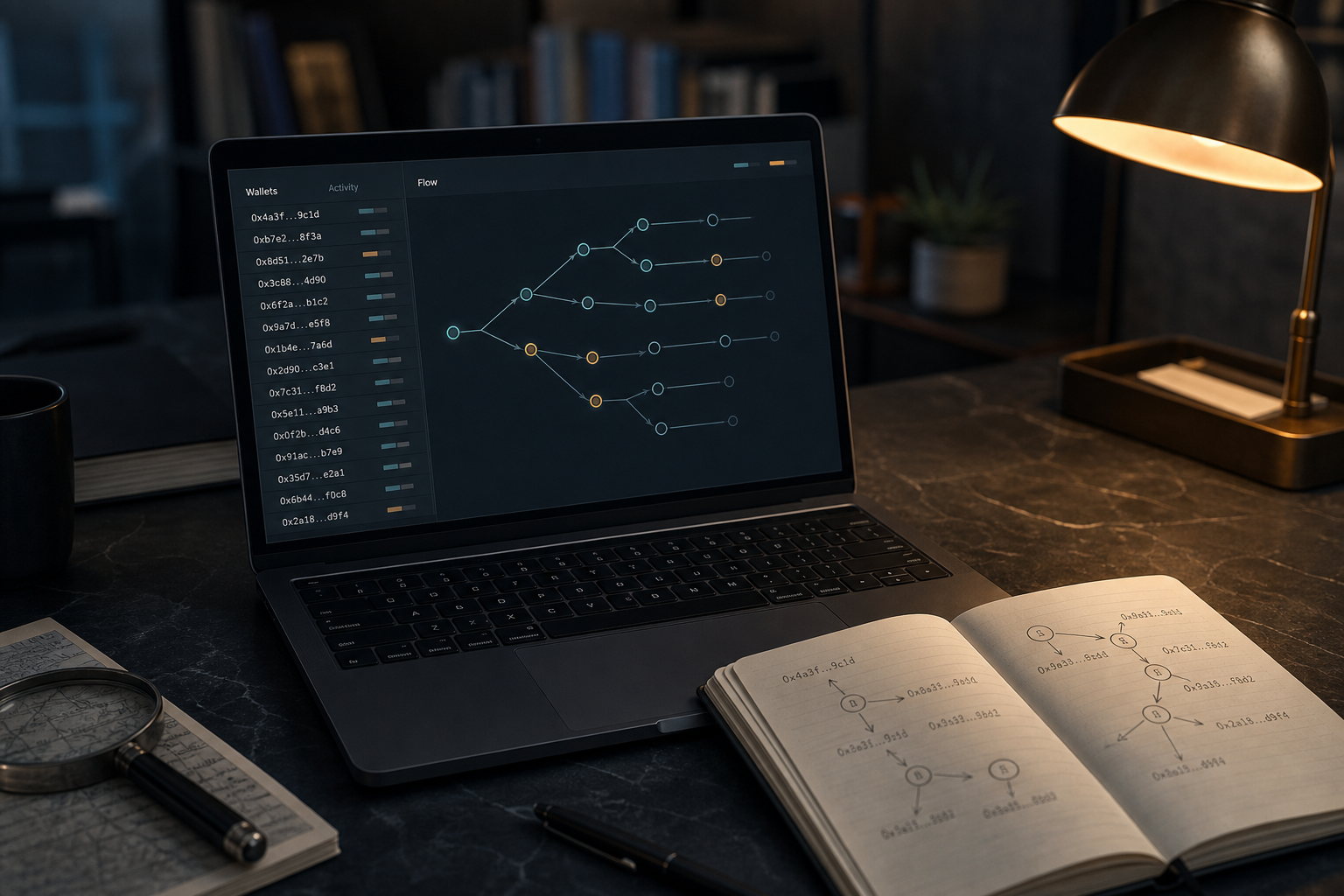
How investigators cluster addresses and follow cross-chain hops after an exchange or protocol hack—educational limits, no tool marketing, and no freeze promises.
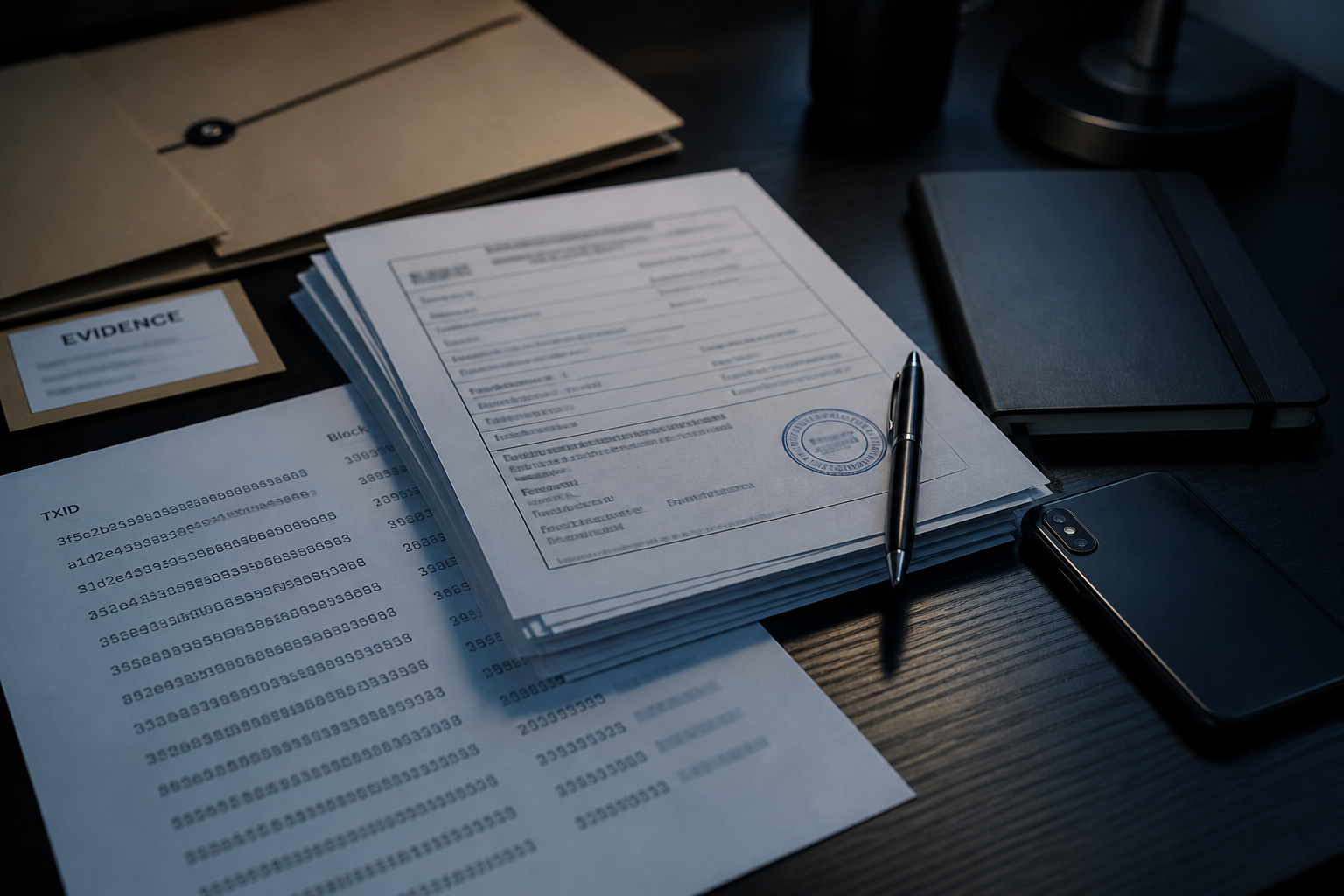
Crypto seizure and arrest in Russia: how a criminal freeze of property differs from an exchange AML pause and an issuer blacklist—orientation, not legal advice.
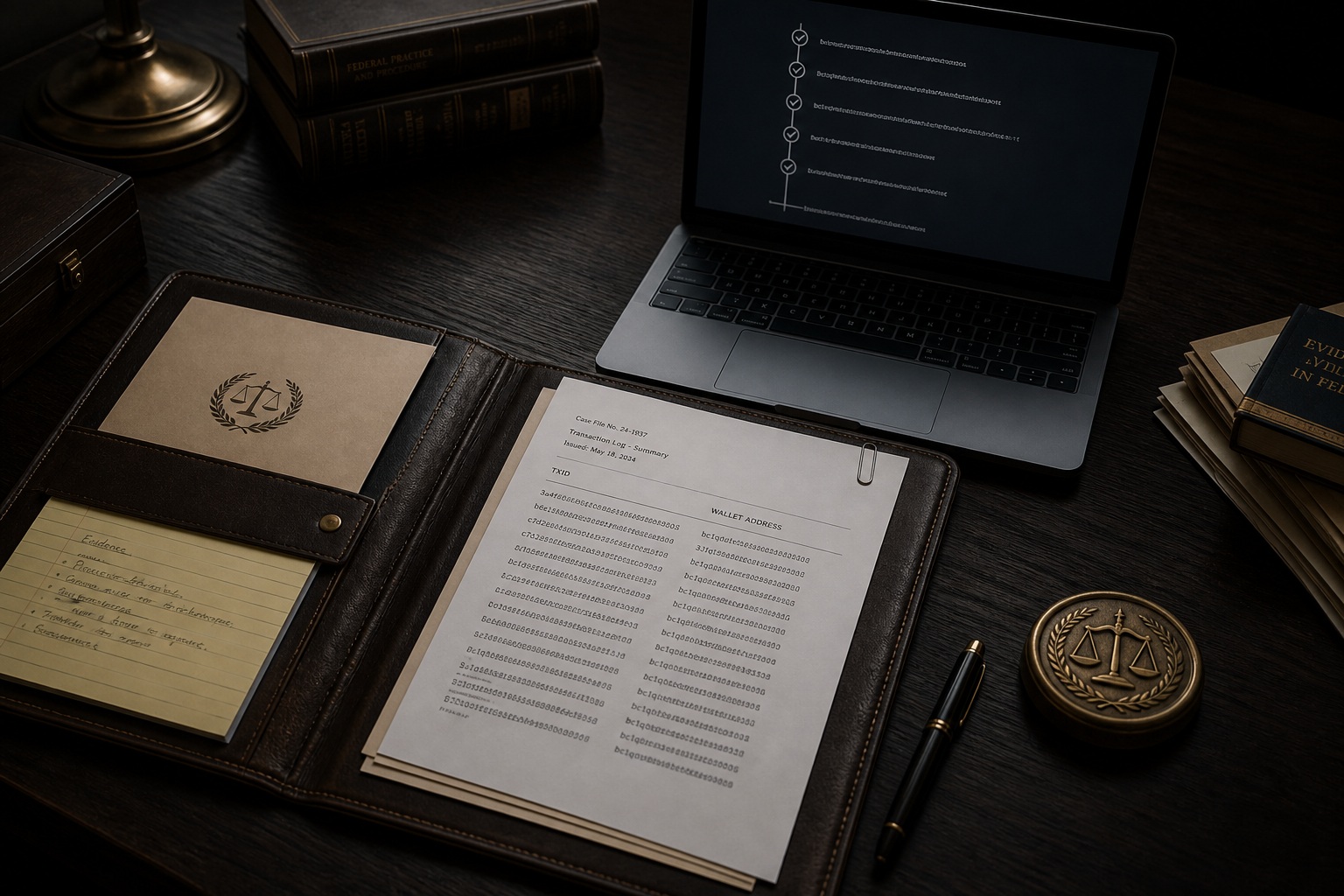
Who to contact after crypto theft: what police, a lawyer, and blockchain analytics can and cannot do. Protect remaining assets first—not a dogma to file immediately.
A relative lost crypto to theft or a scam: what to say, what not to do together, how to avoid a second scam, and when to involve a specialist—without taking their seed phrase.

Crypto inheritance after the owner's death: a will does not open the wallet, when recovery is realistic, and why a seed phrase must not be sent to "inheritance services."
Fake crypto job scam: a remote "role" with a training wallet, deposits, and unpaid tasks—stop sending, what to preserve, and where not to pay an up-front recovery fee.
Deepfake and AI crypto scams: how to recognize a familiar voice or video pushing a transfer, what evidence to keep, and why you should not "verify" on the same channel.
Crypto stolen through a browser extension: how address swapping and injected scripts differ from seed phishing, and what to do in the first hour without using the same profile.

A fake airdrop or quest asks you to connect a wallet: how a malicious approval empties the balance, and what to do in the first hour after you sign.
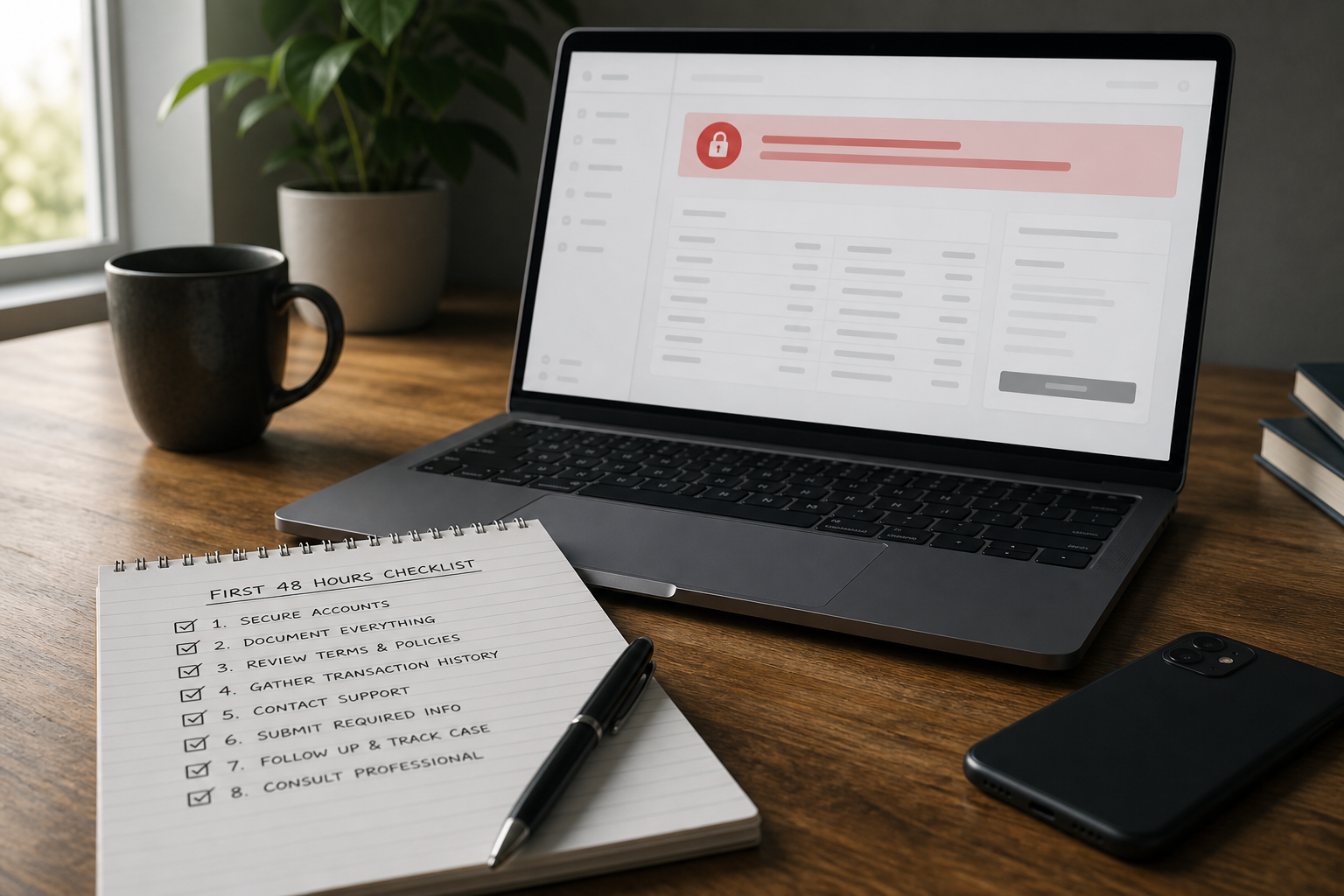
A crypto bot froze withdrawals: how to tell a scam bot from a real OTC bot and from an exchange hold, and why extra unlock payments are not support.
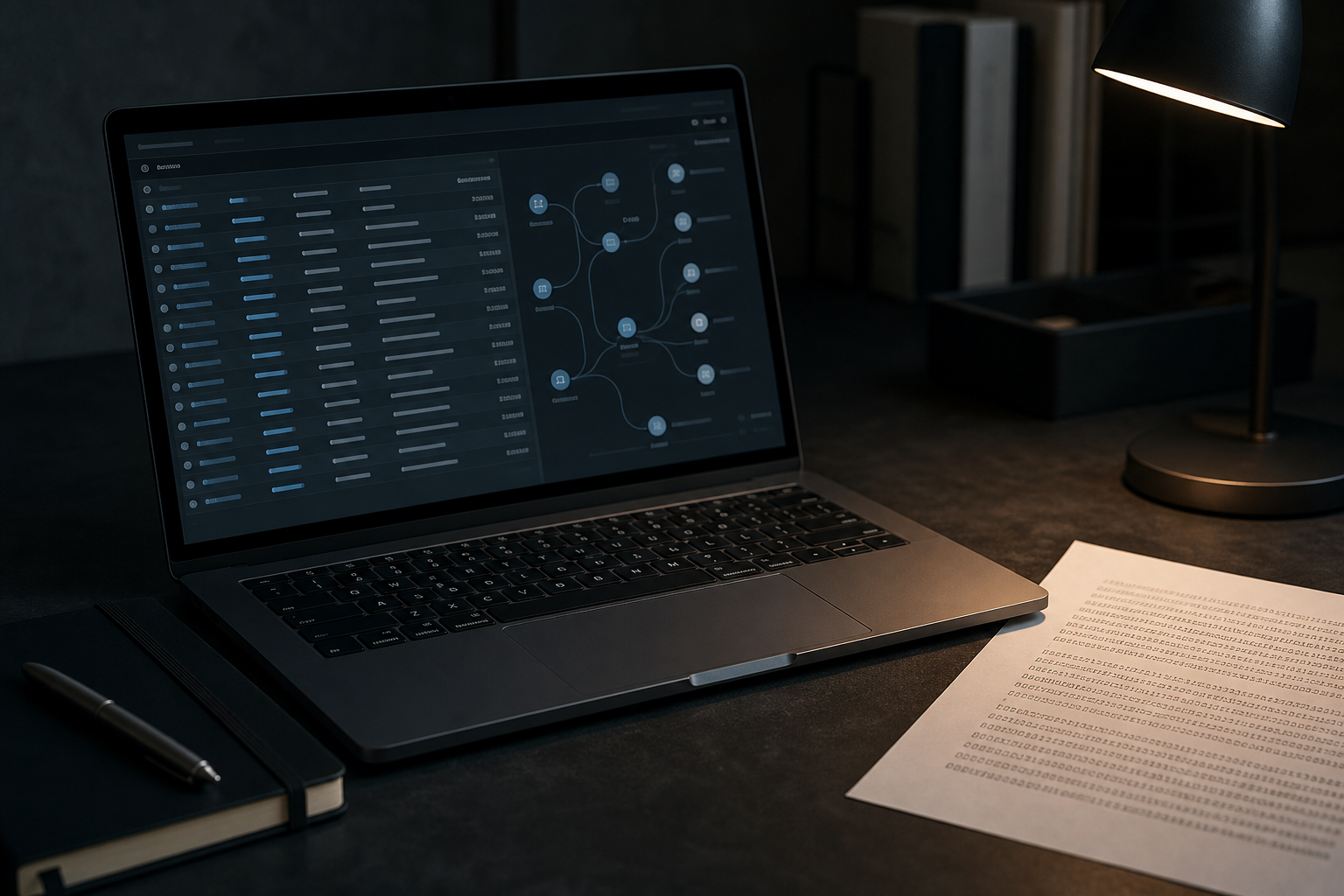
A transfer sent without a MEMO or destination tag on XRP, XLM, TON, and similar deposits: why funds often sit on an exchange omnibus address, and how to file a ticket with the TxID.
A fiat/crypto exchanger such as Onix paused a transfer as high risk: how that differs from CEX AML, and first steps that do not invent the venue's policy.
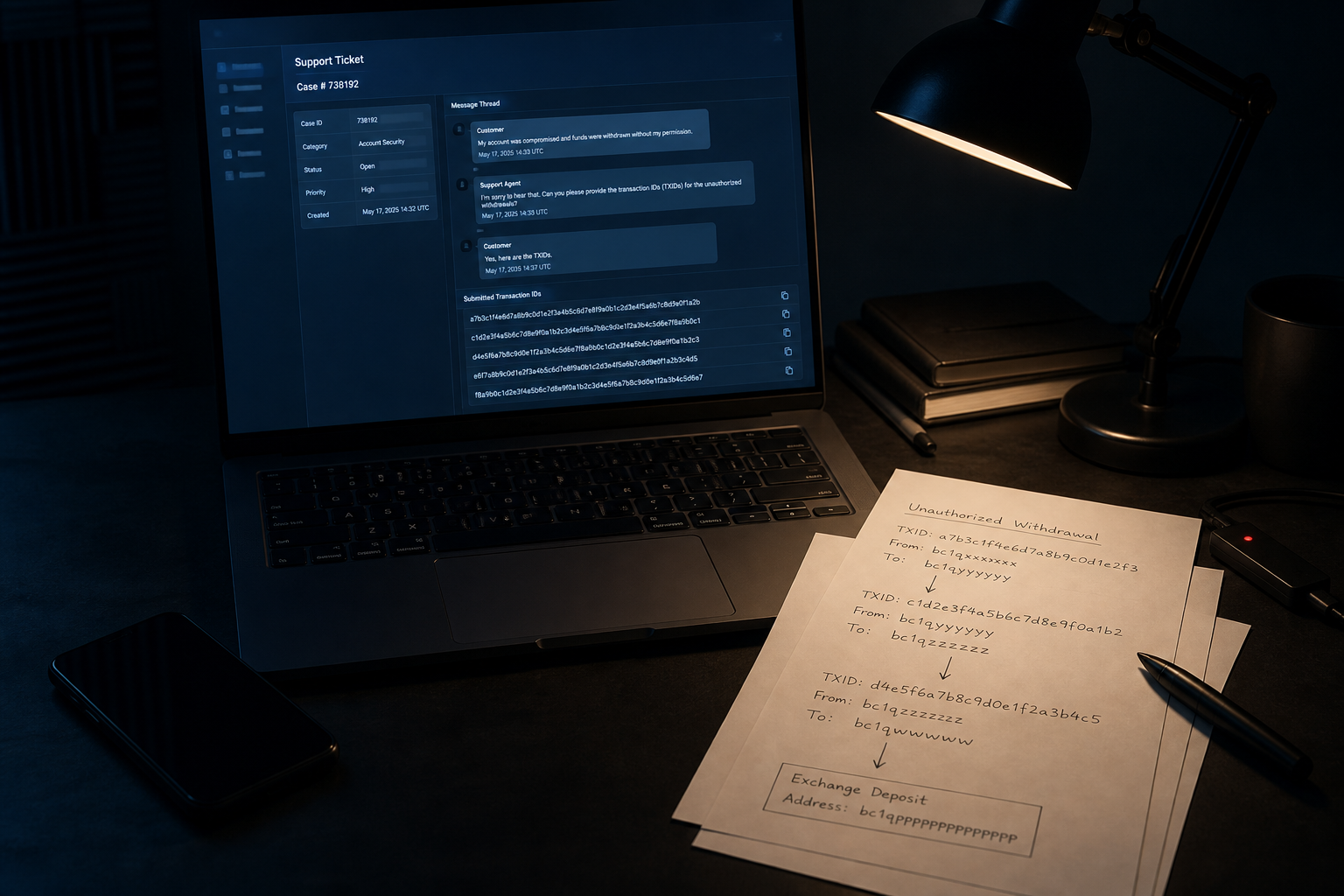
A company lost crypto: how a treasury incident differs from private theft, the first 24 hours, communications, and freeze requests.
Choose a Bitcoin wallet recovery route using a seed phrase, wallet.dat, backup or old device. Understand the limits of address-only and watch-only recovery.
When to involve a lawyer after crypto theft, at what stage, and what to prepare—without recovery guarantees or neglecting the urgent protection of remaining assets.
A fake crypto exchange will not let you withdraw: how fee, tax, and withdrawal-deposit traps work, and how they differ from an AML hold at a real exchange.
Recovering cryptocurrency through court: when a civil claim or criminal process may help, and when the absence of a defendant, trace, or jurisdiction makes it unrealistic, with no guaranteed legal outcome.

How to recover crypto wallet access after losing a phone: the role of a seed phrase, first steps, exchange 2FA, and why recovery bots are dangerous.
Lost access to MetaMask or missing an imported account after recovery? Check the seed phrase, private key, hardware wallet and original login method safely.
How to read a blockchain explorer in practice: find a transfer by TxID and understand Status, From, To, and token transfers in Etherscan, Tronscan, and BscScan.
Pig-butchering crypto scams are long-term confidence schemes. Learn how the trap works, how to leave it, and what evidence to preserve after making transfers.
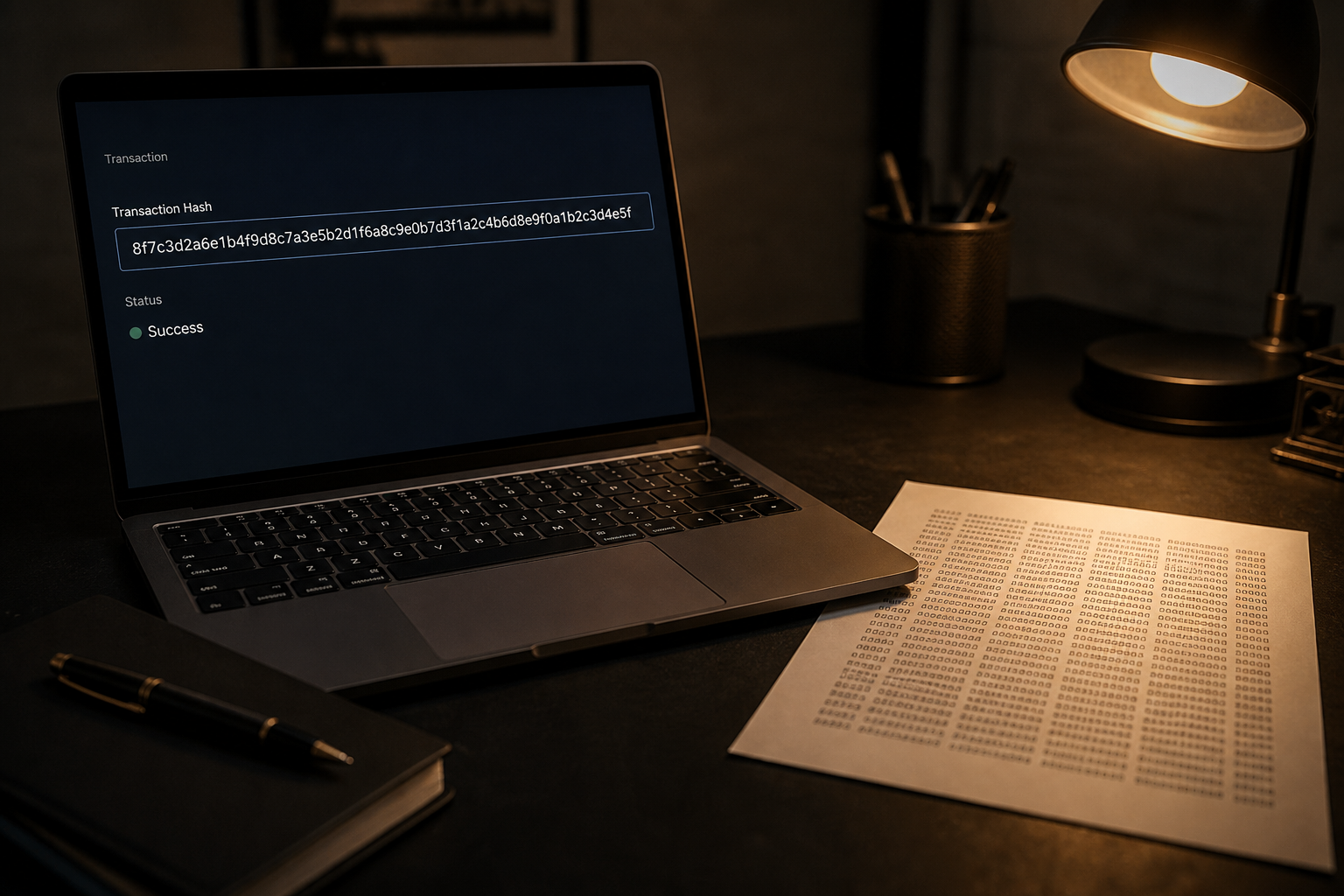
What is a TxID or transaction hash, how it differs from an address, where to find it in an exchange or wallet, and why you should preserve it for support.
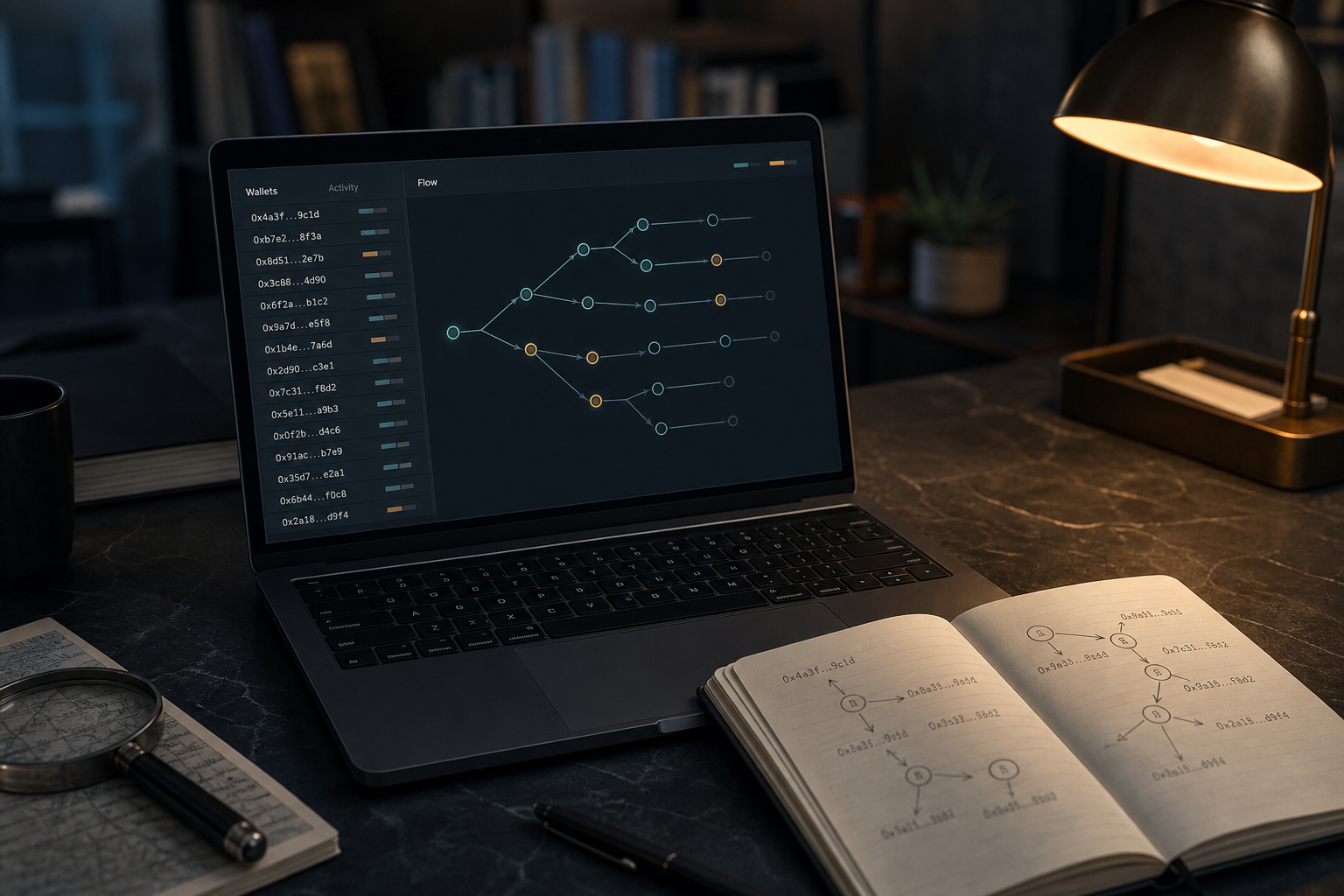
How to trace a scammer's wallet yourself: follow a TxID through a blockchain explorer to a possible exchange deposit, and know where manual analysis ends without any promise of recovery.
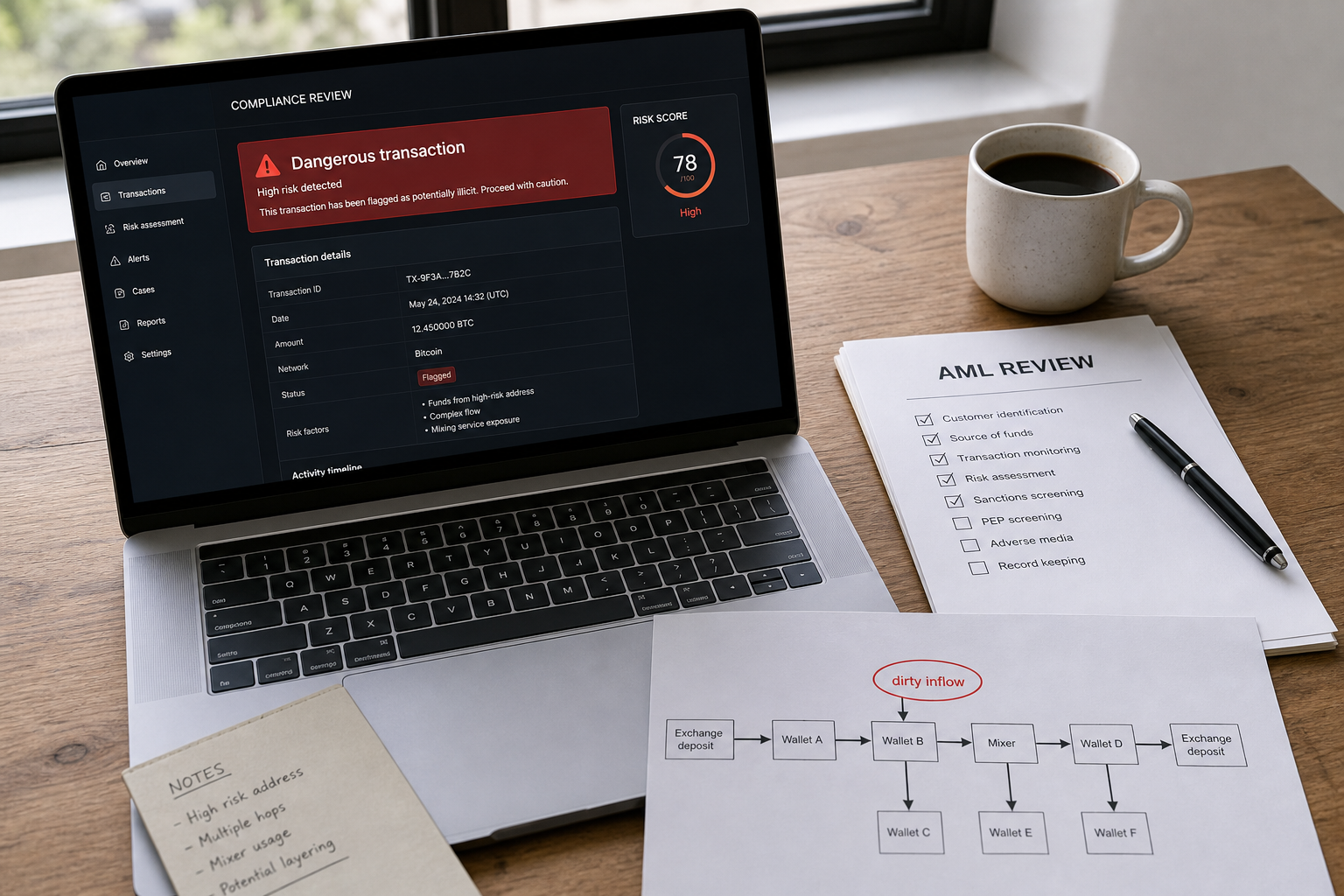
What a Dangerous transaction label means in an exchange ticket, how an incoming deposit may be flagged, and how to respond to support calmly.
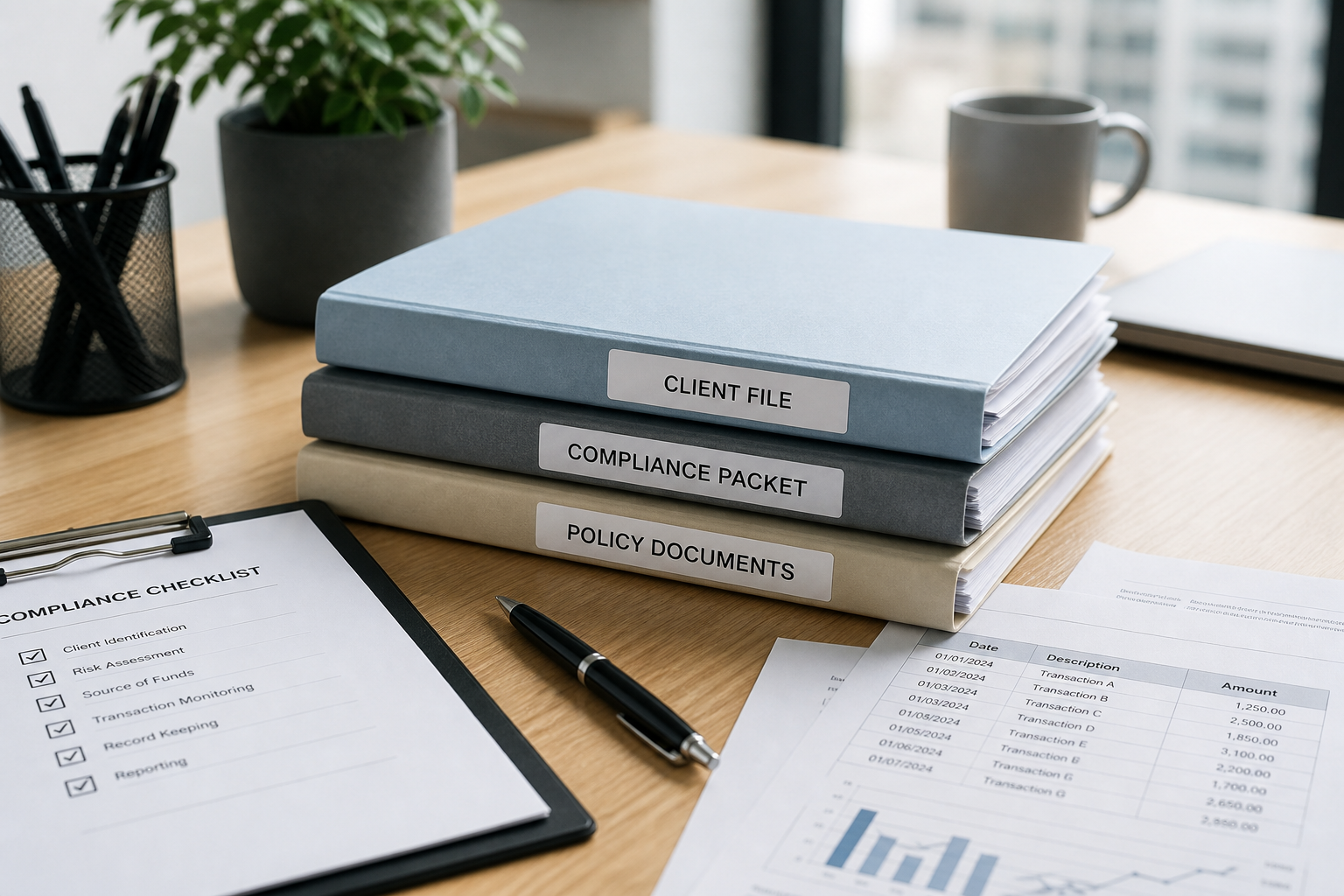
Documents for a crypto exchange AML check: what a requested package should contain, what to attach to the case, and which files hinder the review.
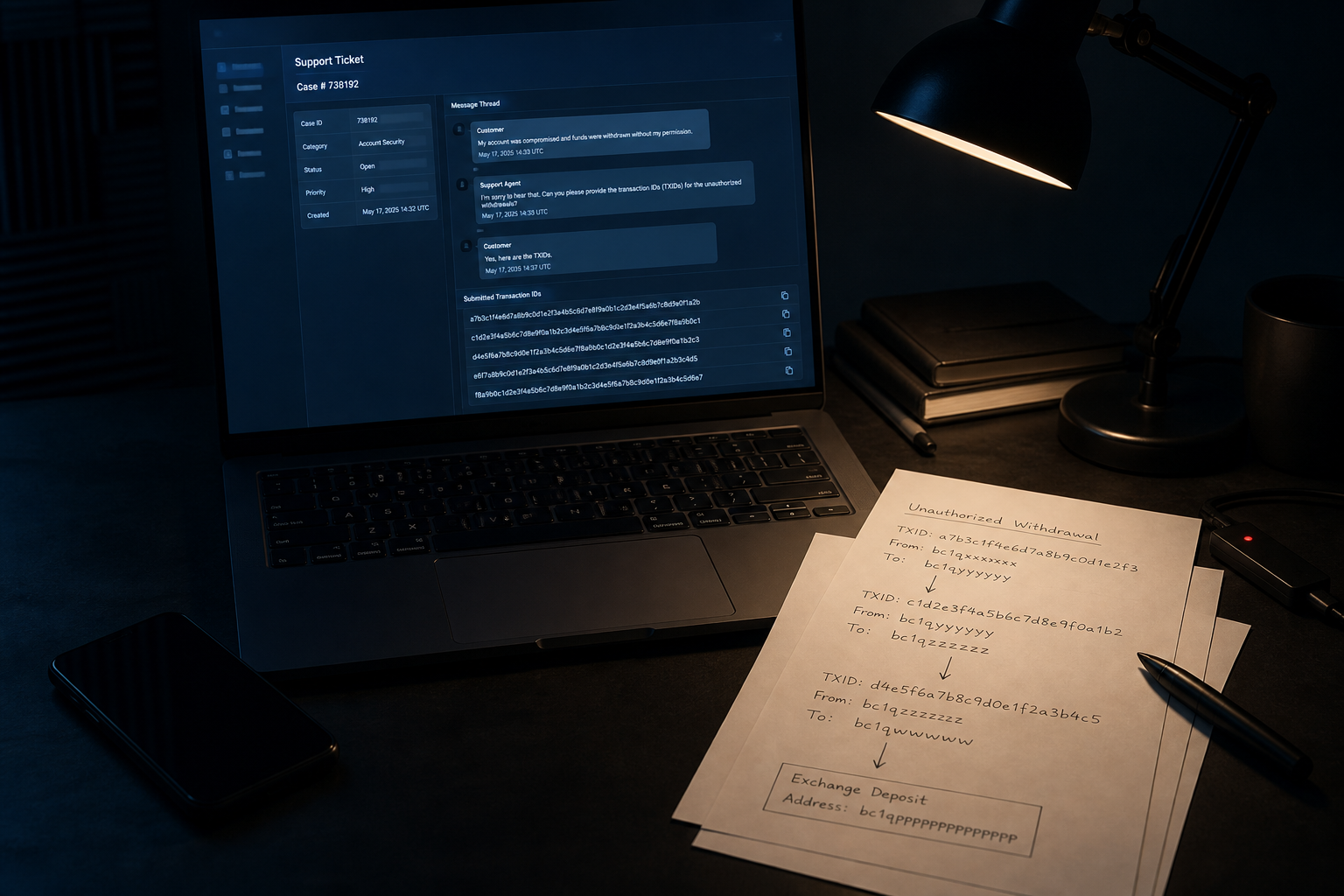
How to request that an exchange freeze stolen crypto, what evidence to attach, and what to expect—without guarantees about the outcome or response time.
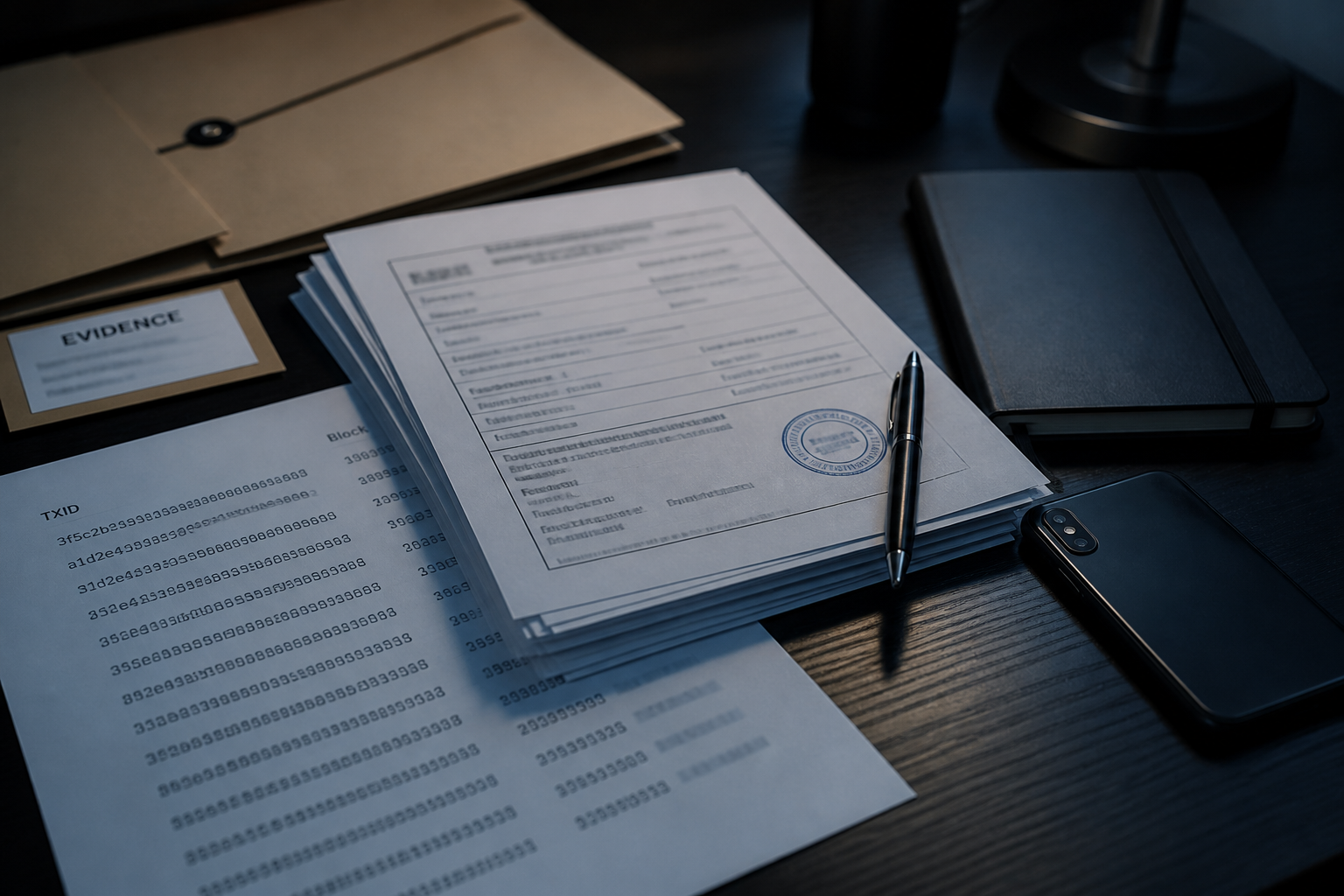
What evidence to attach to a police report for crypto theft, why the registration receipt matters, and why filing does not guarantee an investigation or recovery.
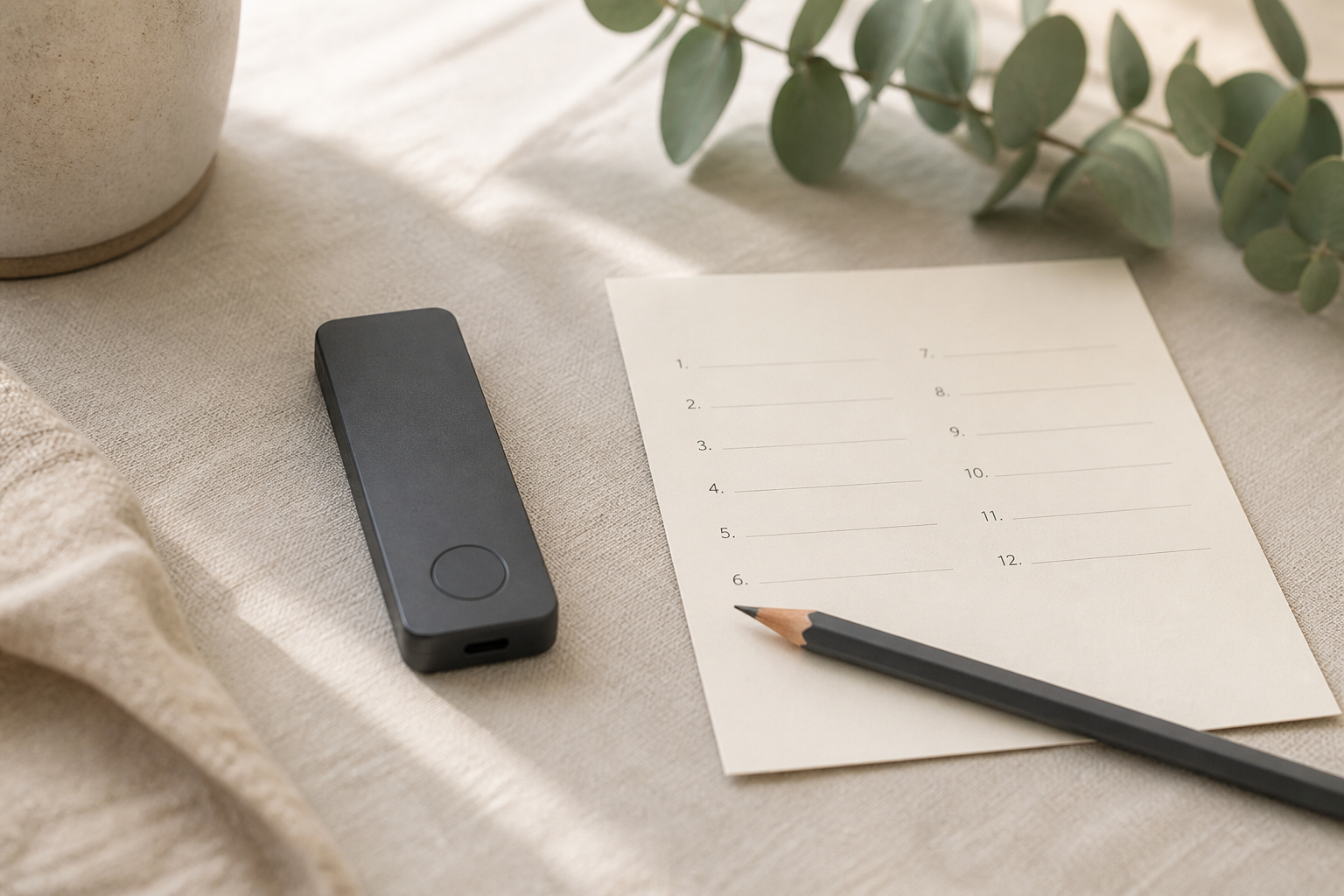
What to check after losing a Ledger device, PIN or recovery phrase. Recovery scenarios, separate passphrases, existing backups and missing balances.
Forgot your crypto wallet password? Identify the wallet, preserved backup and missing credential before assessing restoration or a limited password search.
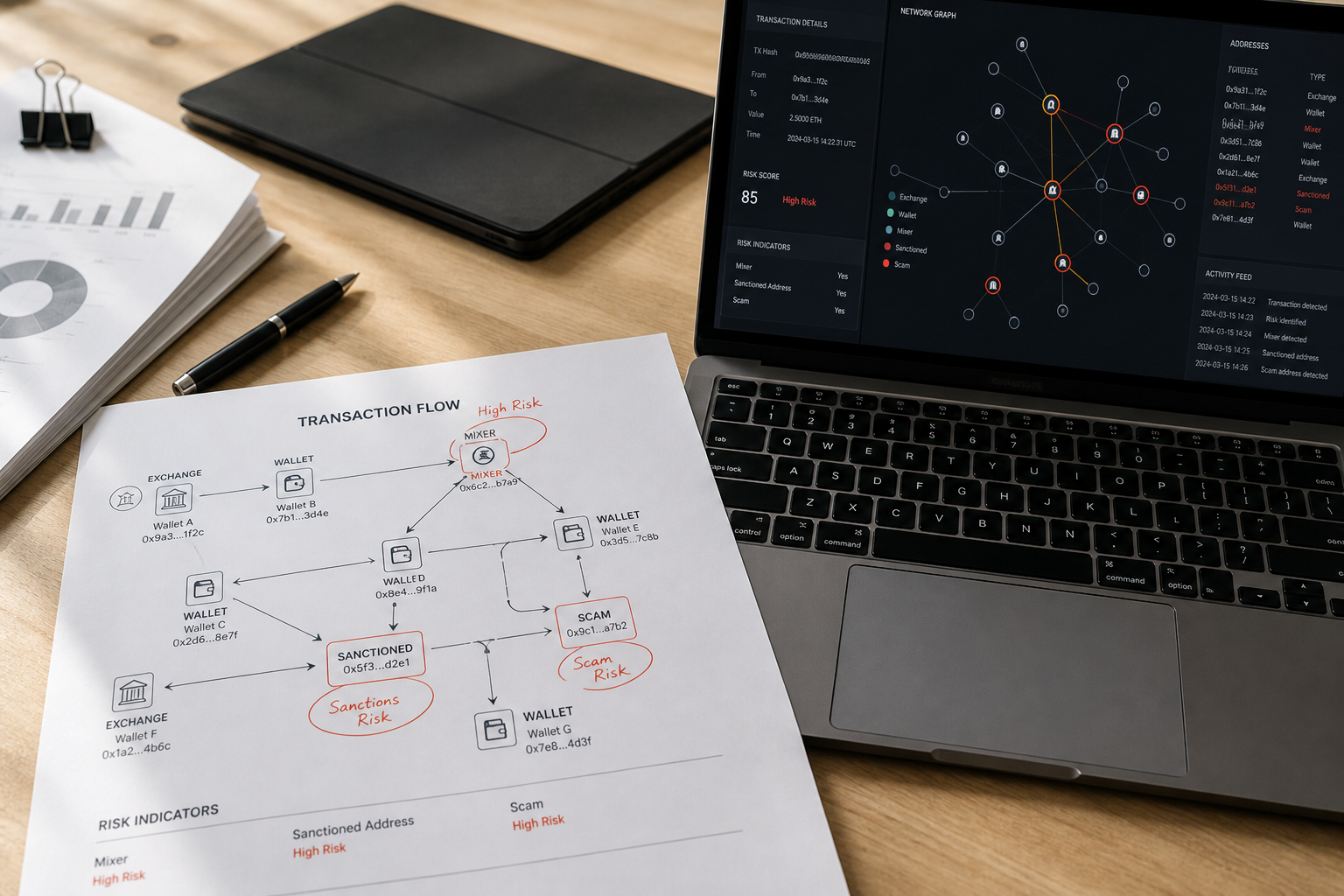
Dirty crypto explained: risky sources in an asset's history, such as mixers, scams, or sanctions, why a KYT flag is not a verdict, and what to check before an exchange deposit.
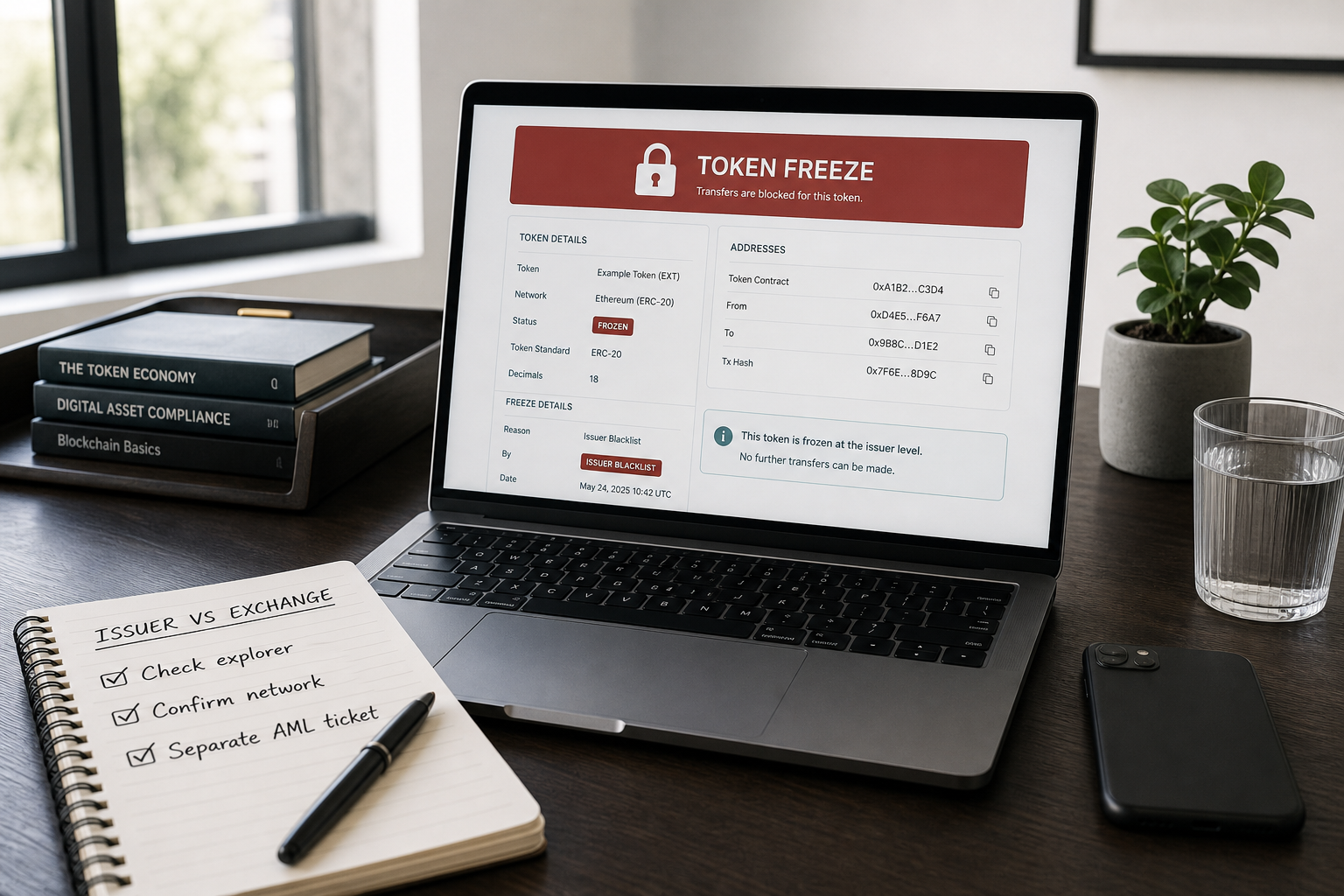
USDT frozen by the issuer: a Tether or Circle token-contract blacklist versus an exchange AML hold, how to check an address, and what no one can promise.
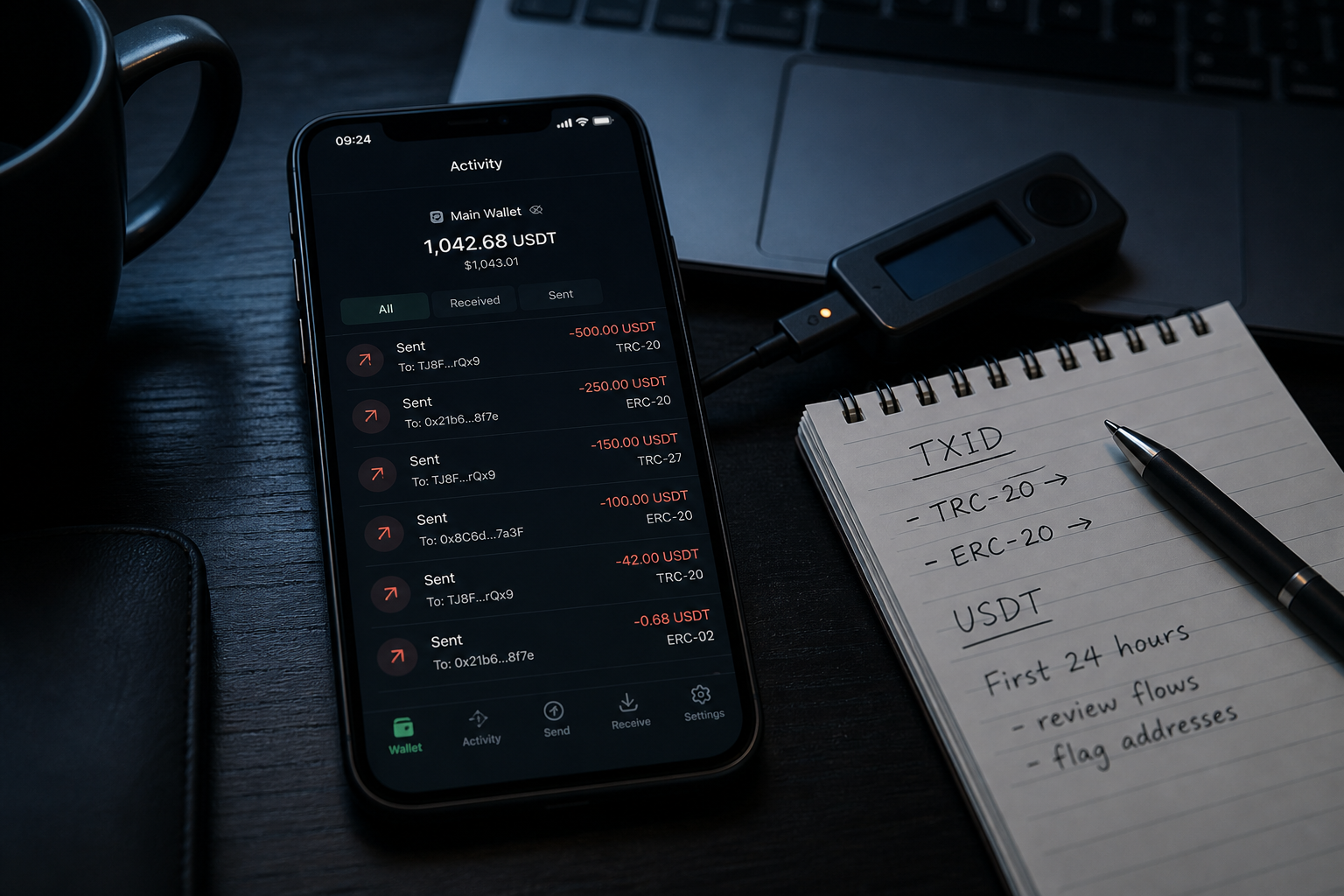
What to do if USDT is stolen: identify the TRC-20 or ERC-20 network, preserve the TxIDs, move remaining assets, and request a freeze at the destination exchange without assuming recovery is guaranteed.
What to do when a P2P fiat dispute or chargeback leads to an account freeze: collect order, bank, and chat evidence and respond through the official appeal process.
What to do after a crypto scam: stop further payments, preserve evidence, avoid up-front payments to recovery services, and set realistic expectations.
How to trace USDT on TRC-20 in Tronscan, from the TxID to an address that may be an exchange deposit, without promising recovery.
A crypto exchange scam may use a fake platform introduced in a chat. Learn how to distinguish it from a real exchange and what to do after a transfer without paying a “withdrawal fee” or relying on promises of recovery.

What to do when crypto exchange verification fails: common KYC rejections involving documents, lighting, framing, and mismatched data, and what to fix before contacting support.

What to do after a crypto wallet compromise: distinguish a leaked seed phrase, phishing, or malware from a malicious approval and take the right first steps.

How to check crypto for AML risk before a deposit: screen an address and TxID, understand the risk of so-called dirty assets, and isolate risky incoming funds before sending them to an exchange.
What to do after cryptocurrency is stolen from a wallet: preserve TxIDs and addresses, move the remaining assets, prepare an exchange report, and avoid recovery scams.
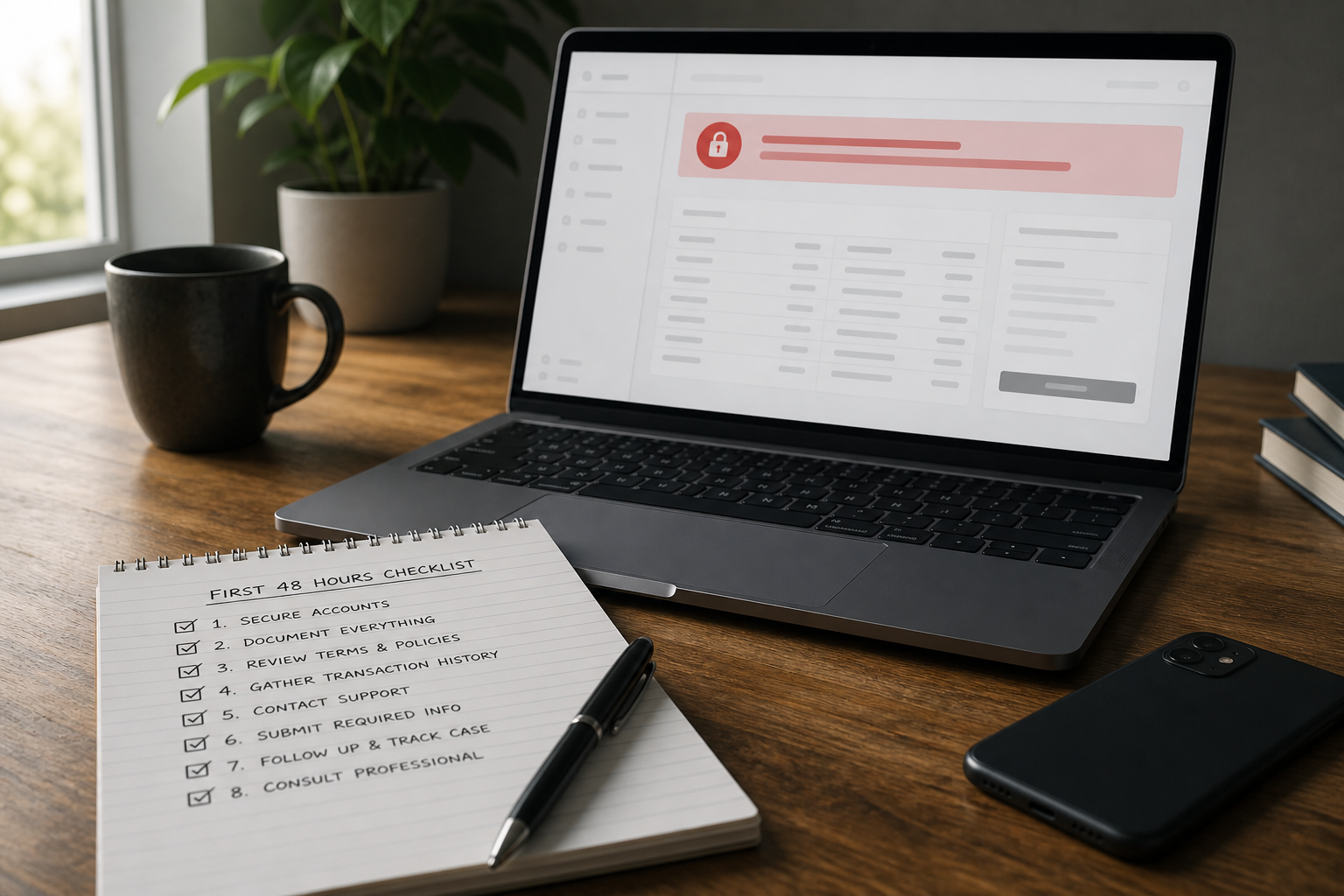
What to do when a crypto account is frozen: a checklist for the first 48 hours, one coherent response to an AML request, and why duplicate tickets can be counterproductive.
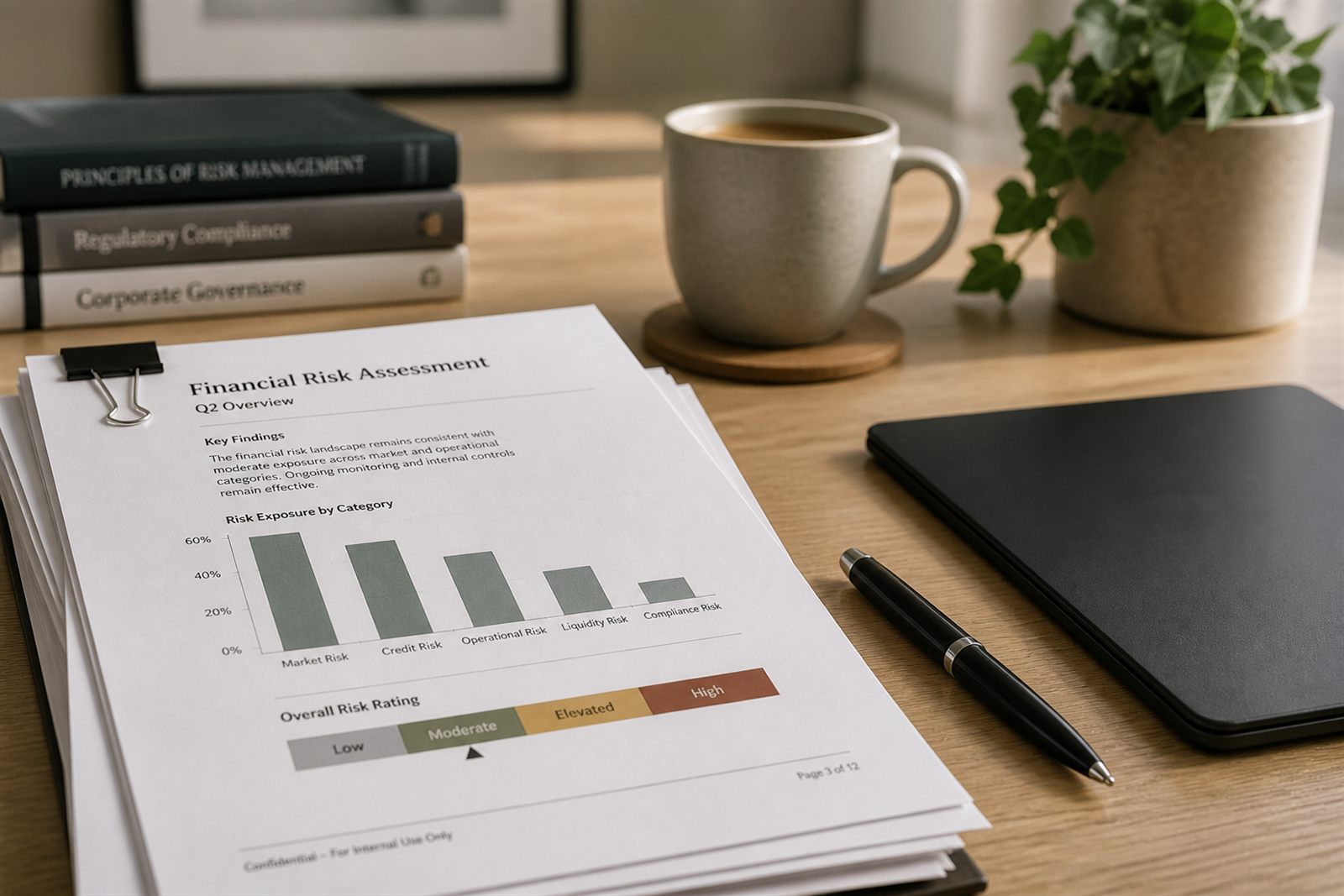
How to check a wallet for AML risk before an exchange deposit: interpret a risk score, distinguish direct from indirect exposure, and save a dated PDF report.

What to do in the first hours after an unauthorized crypto wallet withdrawal: preserve TxIDs, move the remainder to a clean address, and stop funding the compromised wallet.
Distinguish a Bybit security lock from a withdrawal review or account review. First checks, document preparation and a sample support request.

What exchanges ask for in a Source of Funds review, how SoF differs from Source of Wealth, which evidence may be accepted, and where origin-of-funds submissions fail.

A drainer using token approval: how to distinguish malicious approval from seed-phrase theft, revoke permissions, protect remaining assets, and preserve evidence.
When recovery from a partial seed phrase is realistic, which BIP39 details improve feasibility, and why you should never submit a complete seed phrase through a form.