


DefCrypt Blog
Practical analysis of exchange restrictions, AML, theft, and access recovery — without noise or blanket guarantees.
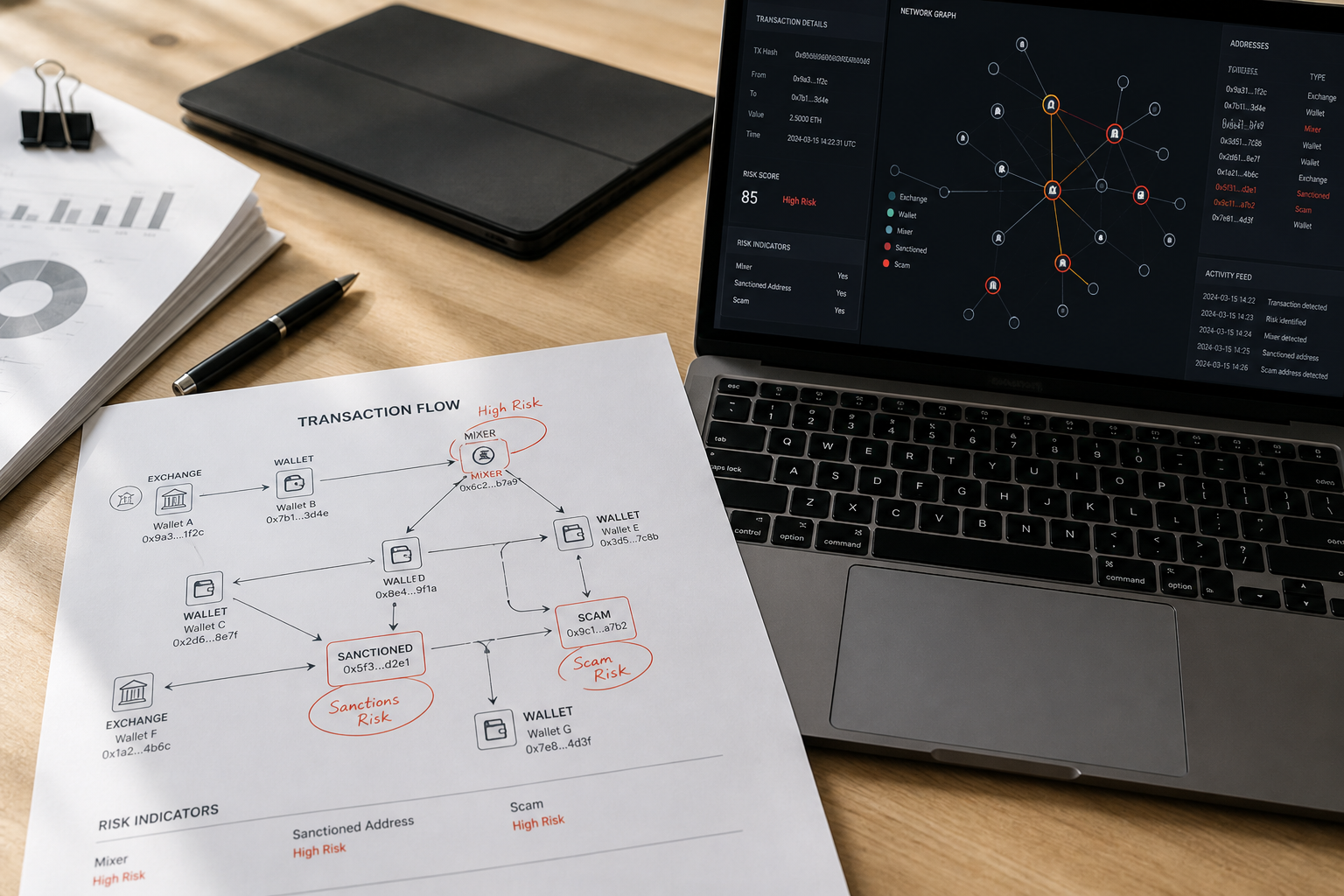
EU sanctions and AML wallet relabeling: why an old transfer looks risky
EU sanctions and crypto: how new packages can raise risk on certain services, and why AML vendors may relabel historical hops after the fact.

Enhanced due diligence on a crypto exchange: not KYC and not SoF
Enhanced due diligence on a crypto exchange: how EDD differs from KYC and Source of Funds, when it typically starts, and what to expect without treating a chat list as official policy.

Chainalysis flagged a wallet: what to do next
An exchange cited Chainalysis or KYT: why you cannot delete a flag on-chain, what a Source of Funds and hop map can show, and what an appeal cannot do.
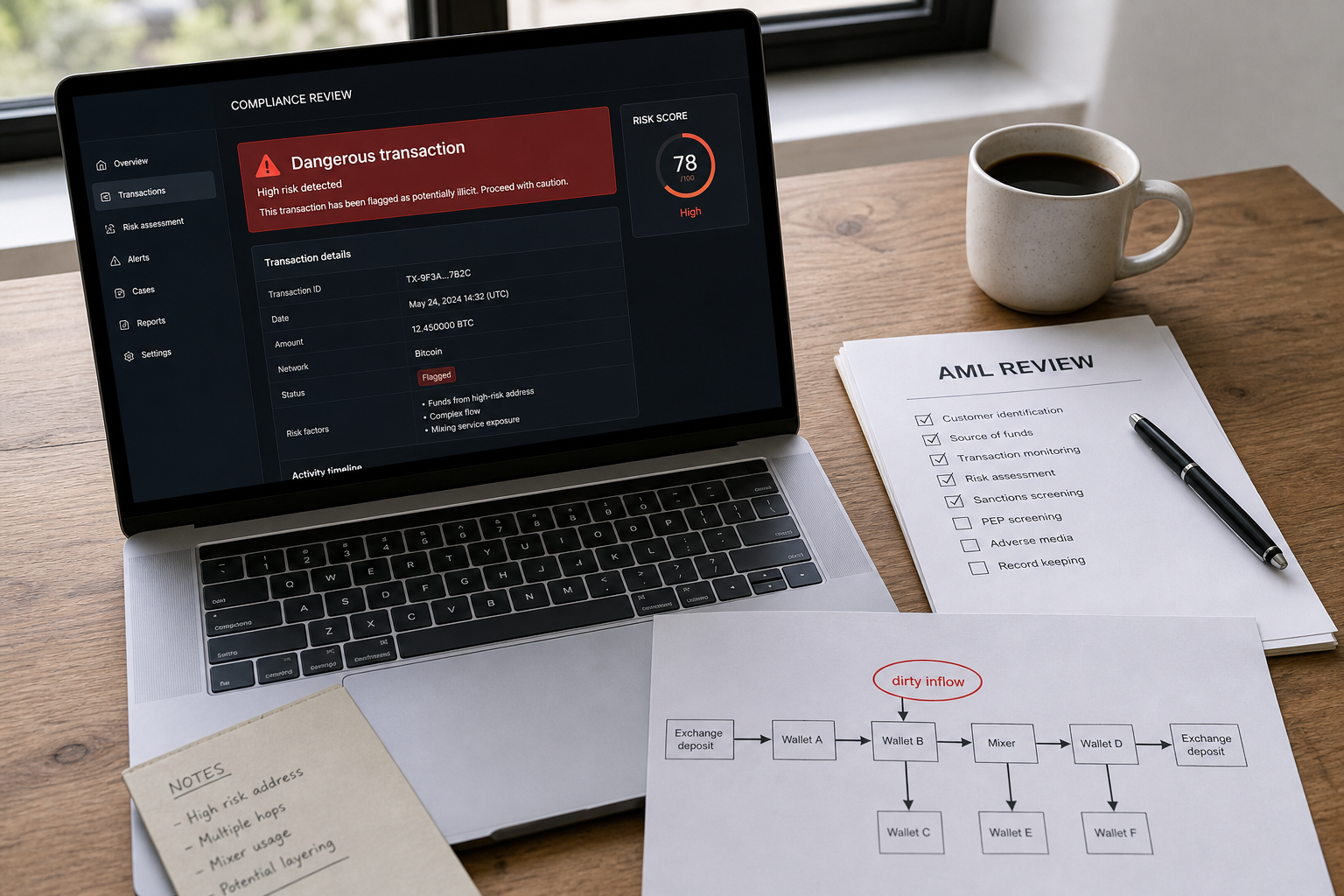
The Support Ticket Says “Dangerous Transaction”: What Does It Mean?
What a Dangerous transaction label means in an exchange ticket, how an incoming deposit may be flagged, and how to respond to support calmly.

Documents for a Crypto Exchange AML Check
Documents for a crypto exchange AML check: what a requested package should contain, what to attach to the case, and which files hinder the review.
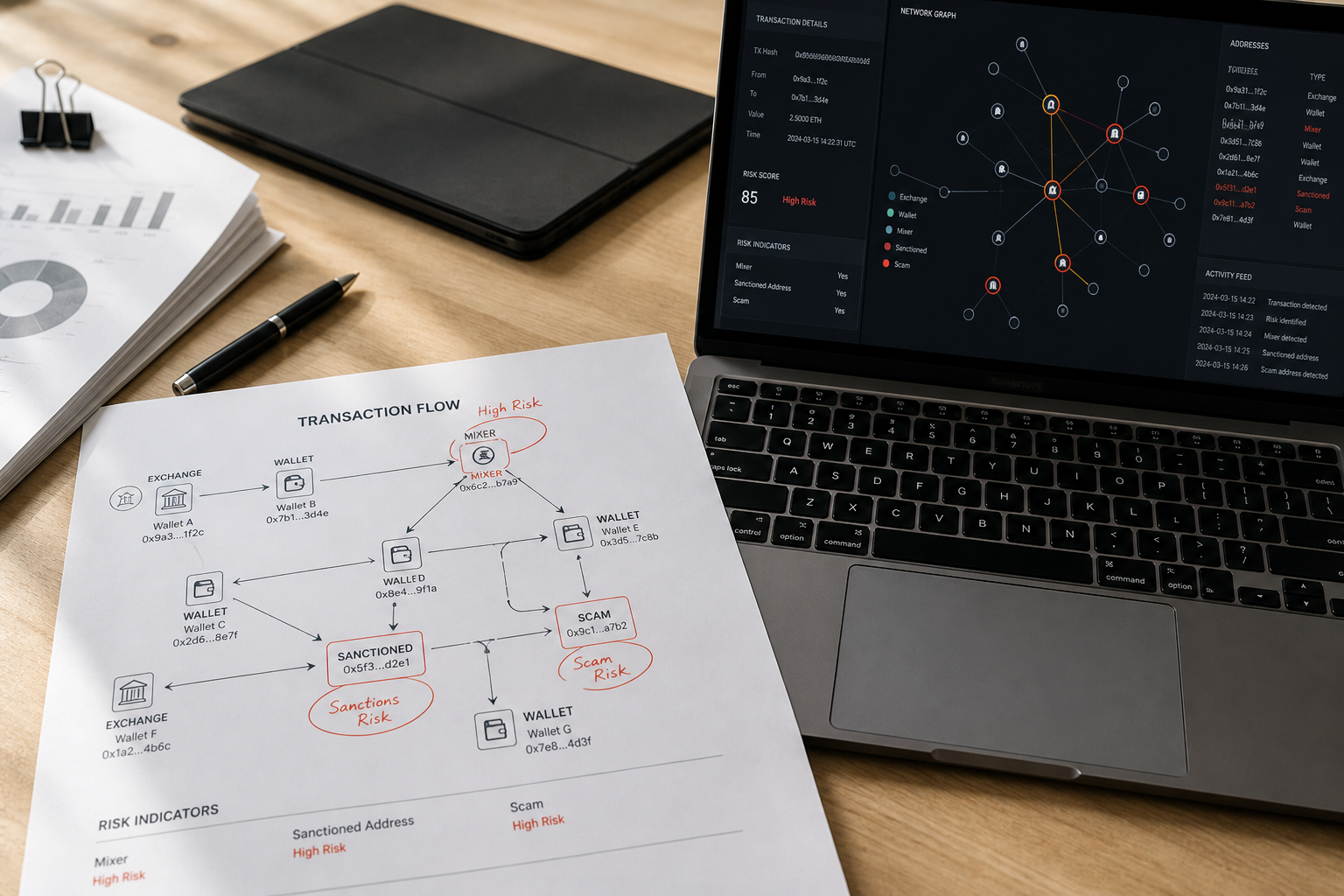
What Is "Dirty" Crypto, and Why Is It Not a Verdict?
Dirty crypto explained: risky sources in an asset's history, such as mixers, scams, or sanctions, why a KYT flag is not a verdict, and what to check before an exchange deposit.

How to Check Crypto for AML Risk
How to check crypto for AML risk before a deposit: screen an address and TxID, understand the risk of so-called dirty assets, and isolate risky incoming funds before sending them to an exchange.

How to check a crypto wallet for AML risk
How to check a wallet for AML risk before an exchange deposit: interpret a risk score, distinguish direct from indirect exposure, and save a dated PDF report.

Source of Funds: What Exchanges Actually Ask For
What exchanges ask for in a Source of Funds review, how SoF differs from Source of Wealth, which evidence may be accepted, and where origin-of-funds submissions fail.
Need an assessment of your situation?
Briefly describe what happened — without seed phrases or private keys. We will outline possible routes and assess their feasibility.
Request a free assessment