


DefCrypt Blog
Practical analysis of exchange restrictions, AML, theft, and access recovery — without noise or blanket guarantees.

How Crypto Mixers Work—and Why They Are Still Traced
How crypto mixers and tumblers work: why AML systems flag those hops, why tracing is often still possible, and why depositing mixed funds to an exchange is a freeze risk. Not a how-to-mix guide.

Crypto Stuck on a Bridge: Pending, Failed, and Waiting for Liquidity
Funds stuck on a blockchain bridge: how to tell pending from failed and from a liquidity wait, what to check in two explorers, and where DIY analysis ends.

How Exchange and Protocol Hacks Are Investigated
How investigators cluster addresses and follow cross-chain hops after an exchange or protocol hack—educational limits, no tool marketing, and no freeze promises.

How to Read a Blockchain Explorer
How to read a blockchain explorer in practice: find a transfer by TxID and understand Status, From, To, and token transfers in Etherscan, Tronscan, and BscScan.
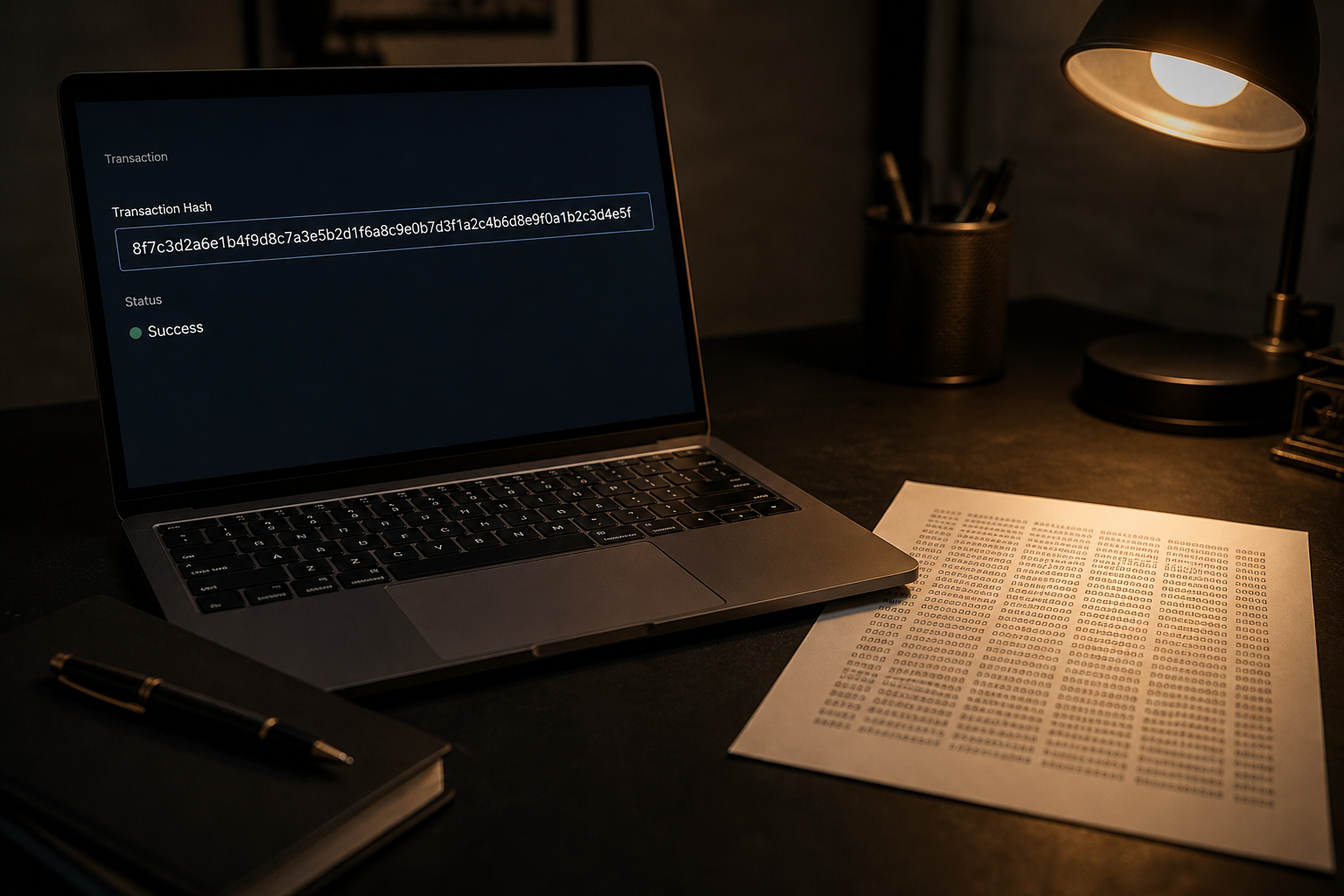
What Is a TXID? How to Find and Check a Transaction Hash
What is a TxID or transaction hash, how it differs from an address, where to find it in an exchange or wallet, and why you should preserve it for support.

How to trace a scammer's crypto wallet
How to trace a scammer's wallet yourself: follow a TxID through a blockchain explorer to a possible exchange deposit, and know where manual analysis ends without any promise of recovery.

How to trace a USDT transaction on TRC-20
How to trace USDT on TRC-20 in Tronscan, from the TxID to an address that may be an exchange deposit, without promising recovery.
Need an assessment of your situation?
Briefly describe what happened — without seed phrases or private keys. We will outline possible routes and assess their feasibility.
Request a free assessment