



Top Reasons Crypto Exchange Accounts Are Frozen in 2026
Top reasons a crypto exchange may freeze an account: AML, KYC, SoF, P2P, and sanctions screening, plus what to collect first.
ReadPractical analysis of exchange restrictions, AML, theft, and access recovery — without noise or blanket guarantees.
Top reasons a crypto exchange may freeze an account: AML, KYC, SoF, P2P, and sanctions screening, plus what to collect first.
Read
A pre-deposit checklist for a crypto exchange: domain, licence claims, a withdrawal test, support, and “too good” yield—and how a real AML pause differs from a fake platform.

Bybit access restrictions for users tied to Russia: how geo and KYC differ from an AML withdrawal hold, what to check in the help center, and what not to do.

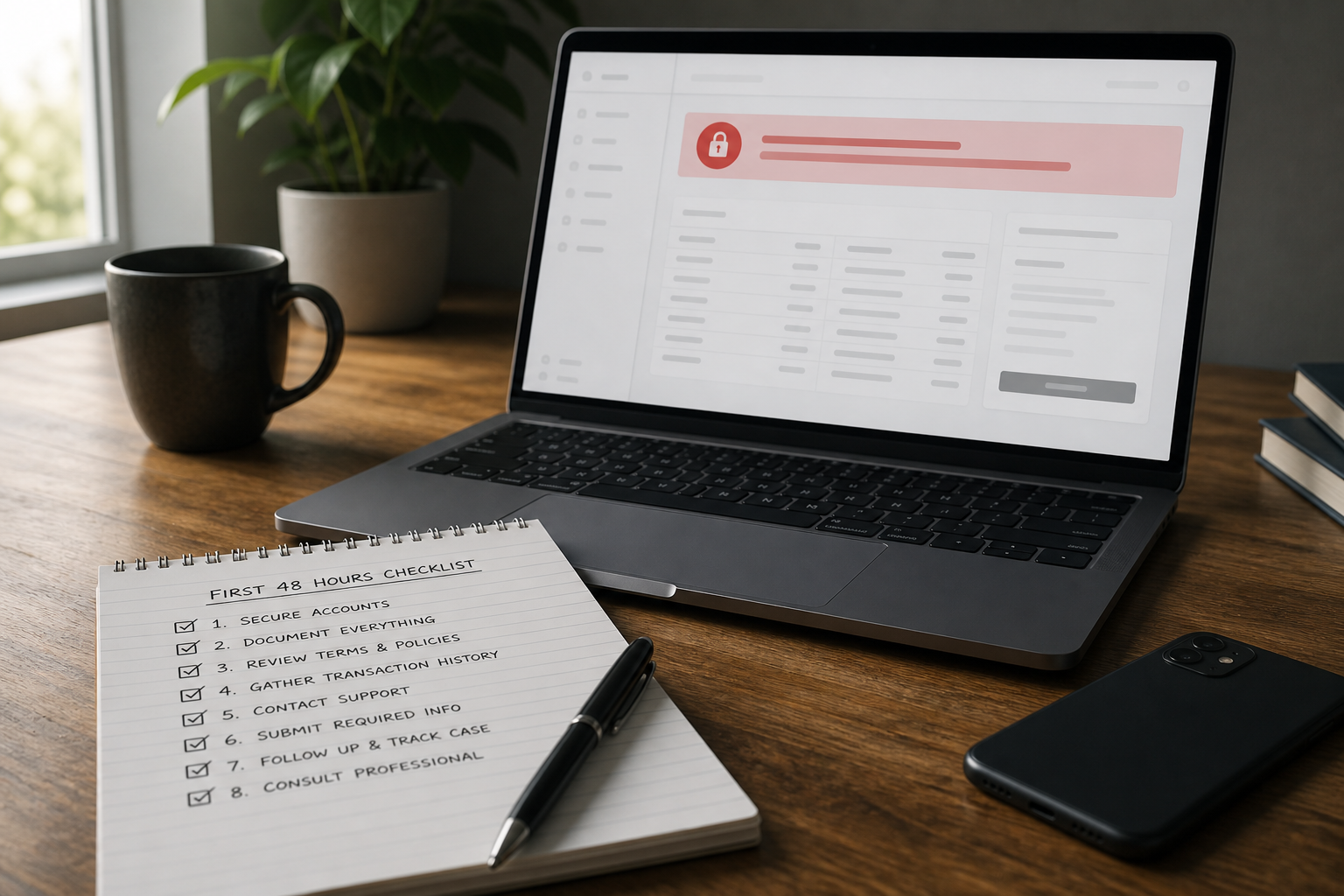
Crypto account freezes affecting users from Russia and the CIS in 2026: a mix of AML, SoF, geo, and P2P — how to classify the hold and what to do in the first 48 hours.
A crypto bot froze withdrawals: how to tell a scam bot from a real OTC bot and from an exchange hold, and why extra unlock payments are not support.
A transfer sent without a MEMO or destination tag on XRP, XLM, TON, and similar deposits: why funds often sit on an exchange omnibus address, and how to file a ticket with the TxID.

A fiat/crypto exchanger such as Onix paused a transfer as high risk: how that differs from CEX AML, and first steps that do not invent the venue's policy.
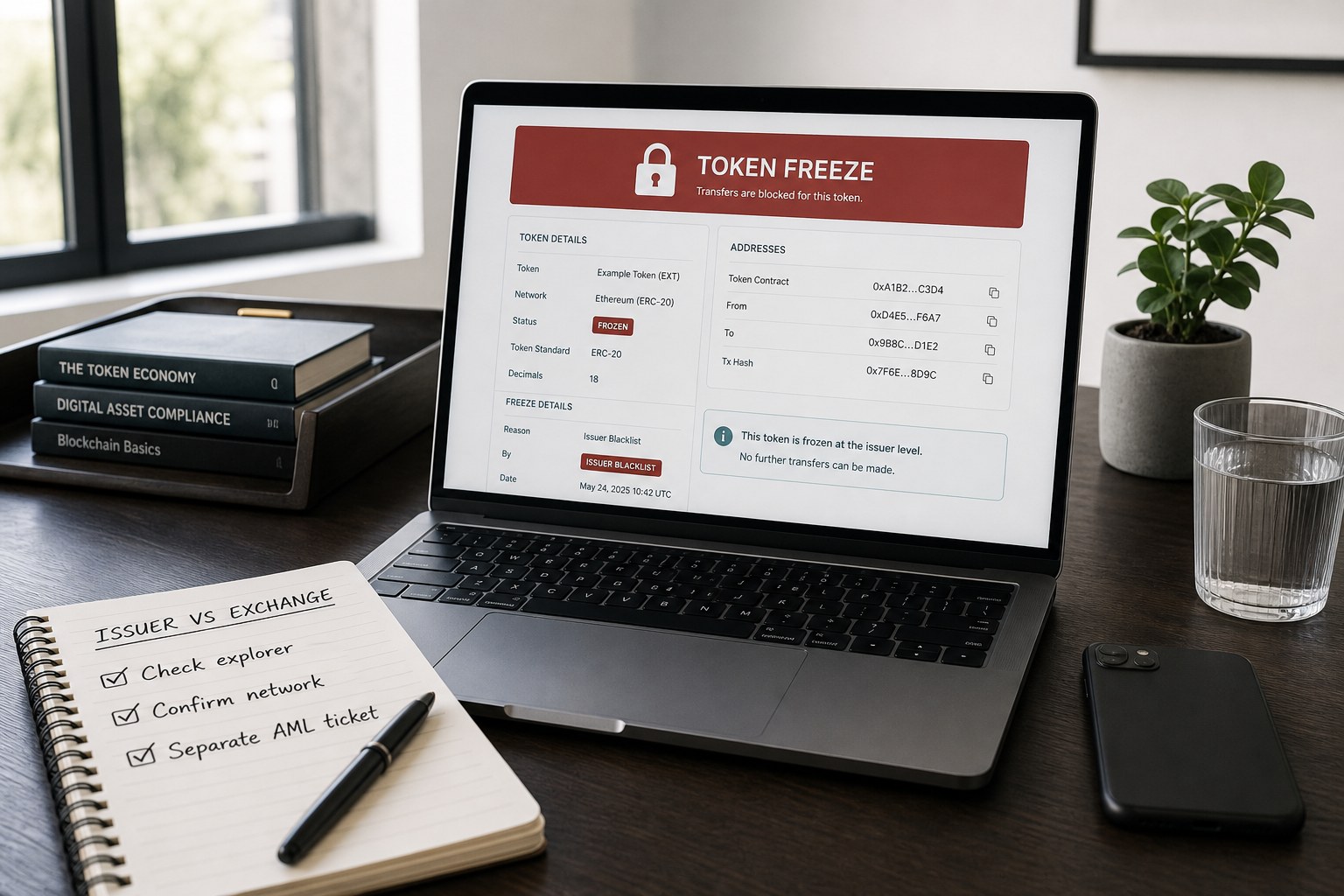
USDT frozen by the issuer: a Tether or Circle token-contract blacklist versus an exchange AML hold, how to check an address, and what no one can promise.

What to do when a P2P fiat dispute or chargeback leads to an account freeze: collect order, bank, and chat evidence and respond through the official appeal process.

What to do when crypto exchange verification fails: common KYC rejections involving documents, lighting, framing, and mismatched data, and what to fix before contacting support.
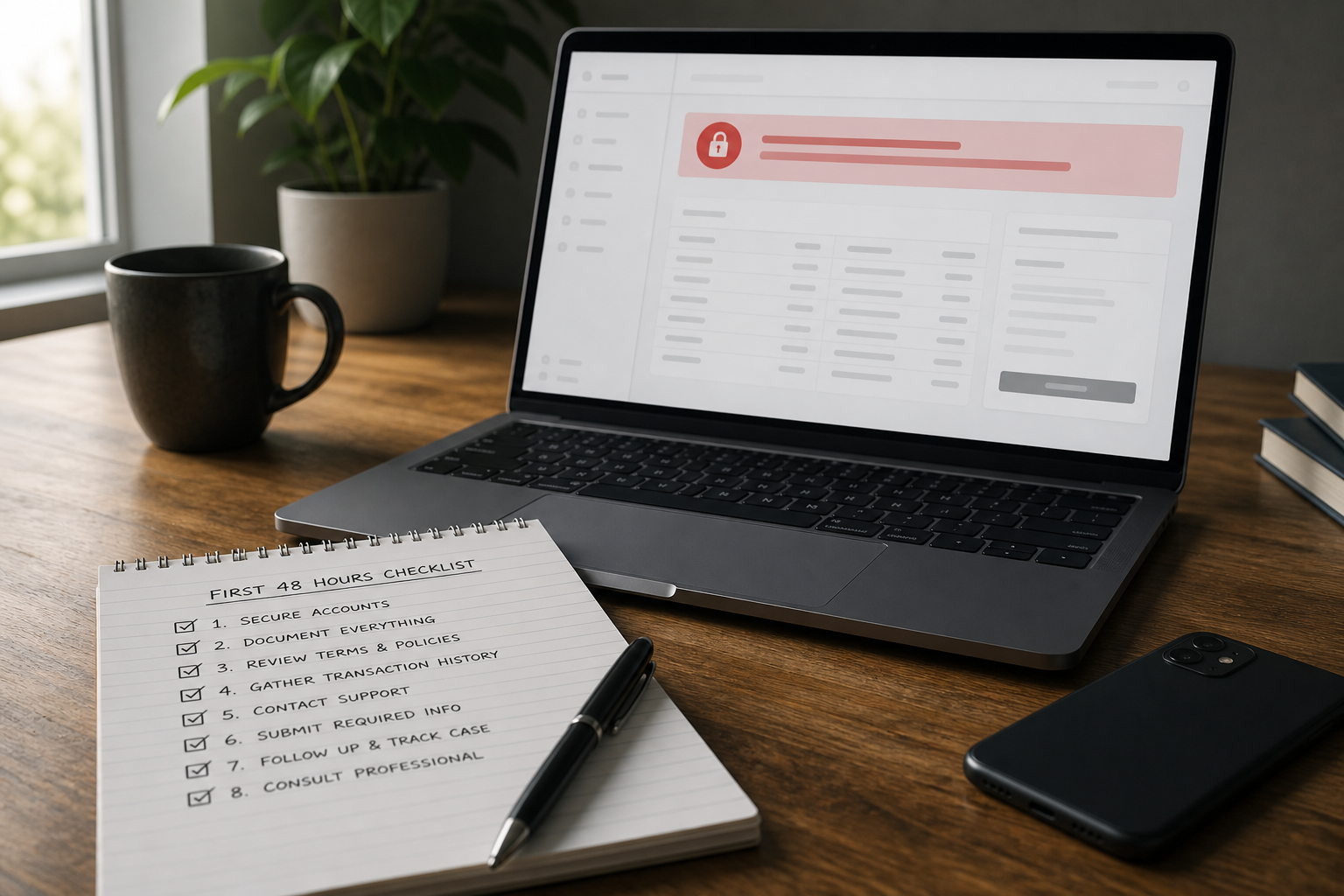
What to do when a crypto account is frozen: a checklist for the first 48 hours, one coherent response to an AML request, and why duplicate tickets can be counterproductive.

Distinguish a Bybit security lock from a withdrawal review or account review. First checks, document preparation and a sample support request.
Briefly describe what happened — without seed phrases or private keys. We will outline possible routes and assess their feasibility.
Request a free assessment